
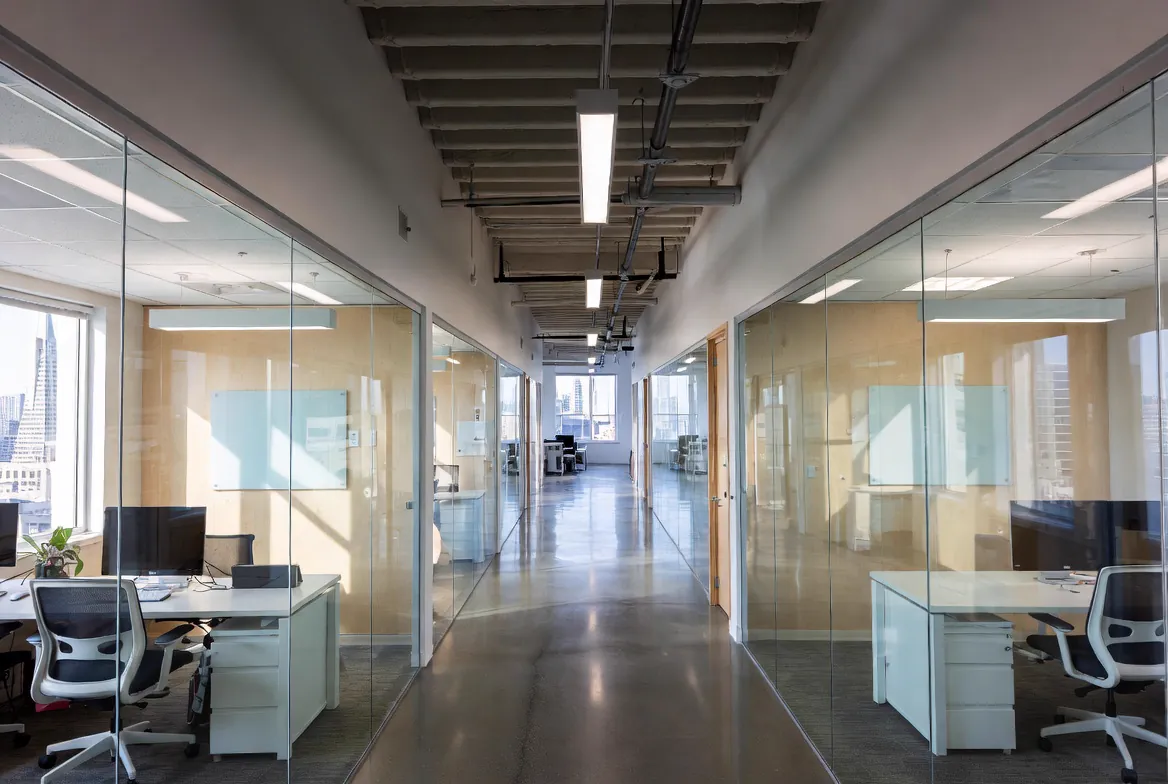
Office building upgrades can consume substantial capital without improving leasing results if they solve problems tenants don’t care about. Owners should prioritize improvements that affect everyday comfort, accessibility, reliability, operating efficiency, and the experience of employees and visitors.
A dramatic lobby renovation may photograph well, but dependable climate control or better common areas can have a greater effect on whether occupants enjoy staying in the building.
Start With Existing Tenant Friction
The most useful upgrade list often comes from recurring complaints. HVAC problems, slow elevators, poor lighting, unreliable access systems, worn restrooms, weak internet infrastructure, and inconvenient common areas create daily frustration.
Looking at hospitality property perspectives or other built-environment material may generate ideas, but an office owner’s first source should be the people currently using the building.
Separate Repeated Problems From Preferences
One tenant requesting a decorative feature doesn’t necessarily justify a large project. Five tenants reporting the same temperature, security, or parking problem deserves more attention.
Maintenance records can reveal patterns that informal conversations miss.
Focus on Improvements That Affect Leasing
Prospective tenants tend to notice whether the building supports normal business operations without unnecessary friction. Reliable systems, clean common areas, good lighting, secure access, practical parking, and flexible suites can strengthen the overall leasing proposition.
Owners researching apartment amenity ideas may find useful design inspiration, but office upgrades should reflect how employees actually work rather than copying residential features directly.
Flexible meeting areas or shared amenities can help certain buildings. In others, tenants would rather have lower operating expenses.
| Upgrade Area | Tenant Benefit | Owner Consideration |
|---|---|---|
| HVAC | Better comfort | Energy and repair cost |
| Access systems | Security and convenience | Installation complexity |
| Common areas | Better daily experience | Ongoing maintenance |
| Lighting | Comfort and visibility | Energy performance |
Evaluate Building Systems Before Cosmetics
Mechanical and electrical systems are less visible than finishes, but they influence nearly every tenant. An aging HVAC system can generate complaints across multiple suites, while unreliable elevators can affect accessibility and visitor impressions.
Broader workspace planning perspectives can supplement research, yet capital planning should still begin with inspections, maintenance history, and actual tenant needs.
Owners should also consider sequencing. Installing expensive finishes and then opening ceilings or walls for mechanical upgrades wastes money.
Where Upgrade Budgets Go Wrong
A common mistake is choosing projects because competing buildings have them. Adding a lounge, fitness room, or elaborate technology package only makes sense when the target tenants value it enough to influence leasing or retention.
Another problem is ignoring operating costs. A new amenity creates cleaning, staffing, repair, insurance, utility, and replacement expenses. The capital cost may be paid once, while the operating cost continues every year. Sometimes a modest improvement with low maintenance produces better economics.
Measure Results After the Work
An upgrade plan should include a way to judge whether the investment worked. Owners can monitor tenant feedback, renewal discussions, tour comments, maintenance calls, vacancy duration, and operating costs.
Not every improvement needs to produce an immediate rent increase. Some projects protect occupancy by eliminating reasons tenants might leave. That can be valuable even when the benefit isn’t obvious on a single month’s financial statement.
Frequently Asked Questions
Which office building upgrades do tenants value most?
Priorities vary, but improvements involving comfort, reliability, security, cleanliness, connectivity, accessibility, and useful shared spaces often affect daily experience more directly than purely decorative features.
Do office amenities increase rental value?
They can, particularly when amenities match the target tenant base and competing properties lack comparable features. Owners should compare the expected leasing benefit against construction costs and ongoing expenses before assuming an amenity will justify higher rent.
Should an office building upgrade its lobby first?
Not necessarily. If mechanical systems, elevators, restrooms, lighting, security, or other core features need attention, those projects may deliver greater practical value. The right priority depends on tenant feedback and building condition.
Spend Capital Where Tenants Feel It
The strongest office improvement plan isn’t the longest list of upgrades. It identifies the problems that repeatedly affect tenants, fixes important building systems, and adds amenities only where demand supports them. Before approving a major project, owners should be able to explain exactly which tenant problem it solves and how the result will be measured.
Related Posts

How Many Laser Sessions You Need

Brand Mention Problems – Track Conversations Before Issues Grow
