
Standing dirty water at the bottom of a dishwasher usually means something is restricting drainage, although a small amount of clean water near the filter area can be normal on some machines. Food debris, a clogged filter, a blocked drain hose, or a disposal connection can all interfere with normal draining.
Start With the Filter and Dishwasher Bottom
Turn off electrical power to the dishwasher before reaching into the sump, filter, or internal drain area. Remove the lower rack and inspect the bottom for food, labels, glass, or other debris.
Many modern dishwashers have a removable filter that needs periodic cleaning. Follow the manufacturer’s instructions because filter designs and removal methods vary.
Check for Obstructions Carefully
Sharp fragments can hide beneath cloudy water. Wear protective gloves and avoid blindly reaching into an area you cannot see.
After removing accessible debris, reinstall the filter correctly. A loose or incorrectly seated filter can create cleaning problems even after the original blockage is gone.
Examine the Drain Hose
The drain hose normally carries wastewater from the dishwasher to a disposal or sink drain connection. Kinks, pinched sections, or accumulated debris can restrict this flow.
General kitchen improvement references may be useful when coordinating appliance maintenance with cabinet, sink, and plumbing work.
Look under the sink for a compressed hose, especially after stored items have been moved around. Do not disconnect plumbing until power is off and you are prepared to contain any water remaining in the line.
Check the Garbage Disposal Connection
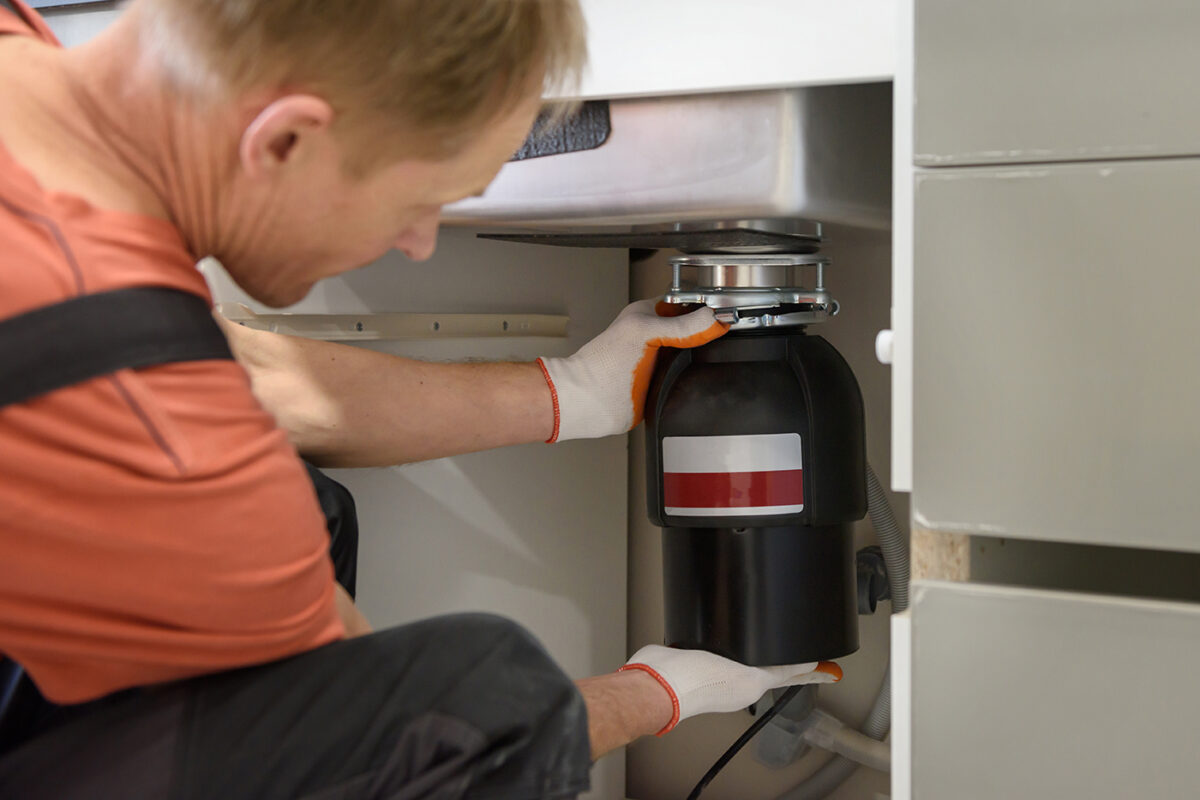
If the dishwasher drains through a garbage disposal, confirm that the disposal itself is not clogged. A recently installed disposal can also cause a drainage problem if the dishwasher inlet knockout was never removed during installation.
Broader kitchen setup advice can help when arranging under-sink storage so hoses and drainage connections remain accessible rather than being squeezed behind household supplies.
Run the disposal according to its operating instructions before testing the dishwasher again. Never place your hand inside a disposal chamber.
| Drain Problem | Possible Cause | Useful Check |
|---|---|---|
| Water stays in tub | Dirty filter | Remove and clean filter |
| Drainage is slow | Kinked hose | Inspect hose route |
| Problem after disposal install | Knockout intact | Verify inlet connection |
| Sink also backs up | Drain blockage | Check shared plumbing |
Consider the Sink Drain and Air Gap
Dishwashers often share part of the kitchen’s drainage path. If the sink is also draining slowly, the issue may extend beyond the appliance itself.
People reviewing room maintenance information may find it useful to treat appliance drainage as part of the whole sink-and-plumbing system rather than an isolated machine problem.
Some installations use a countertop air gap. Food residue or sludge inside it can interrupt drainage, so remove and clean the cap according to its design.
Mistakes That Can Create Bigger Drain Problems
Repeatedly running the dishwasher while dirty water remains inside can spread odor and leave residue on dishes. First identify why the previous cycle failed to drain.
Avoid pouring random chemical drain cleaners into the dishwasher. Harsh products may damage appliance components, create dangerous chemical exposure, or remain where dishes are washed. Another common mistake is assuming the pump has failed before checking simpler causes such as the filter, hose, disposal connection, or shared sink drain.
Frequently Asked Questions
Why is there water in the bottom of my dishwasher?
A small amount near the sump may be normal for certain models, while deeper standing water often points to a drainage problem. Check the filter, drain hose, disposal connection, and sink drainage before assuming a major component has failed.
Can a clogged garbage disposal stop a dishwasher from draining?
Yes. If both systems share a drain connection, a clogged disposal or blocked connection can interfere with dishwasher drainage. A newly installed disposal may also require removal of the dishwasher inlet knockout before the hose can drain properly.
How do I know if the dishwasher drain pump is bad?
A failed pump is possible when accessible drain paths are clear but the machine still will not pump water out. Unusual pump noises or no pump operation may offer clues, but electrical and mechanical testing is often best left to an appliance technician.
Restore the Drain Path Before Running Another Cycle
Start with the simple places where water must travel: the filter, sump area, drain hose, disposal connection, air gap, and sink drain. One obstruction anywhere in that route can leave dirty water behind. If those areas are clear but the dishwasher still cannot drain, stop repeated testing and have the pump, wiring, or internal controls professionally checked.
Related Posts

Best Living Room Styles for Melbourne Apartments
4 Signs You Need to Contact a Locksmith