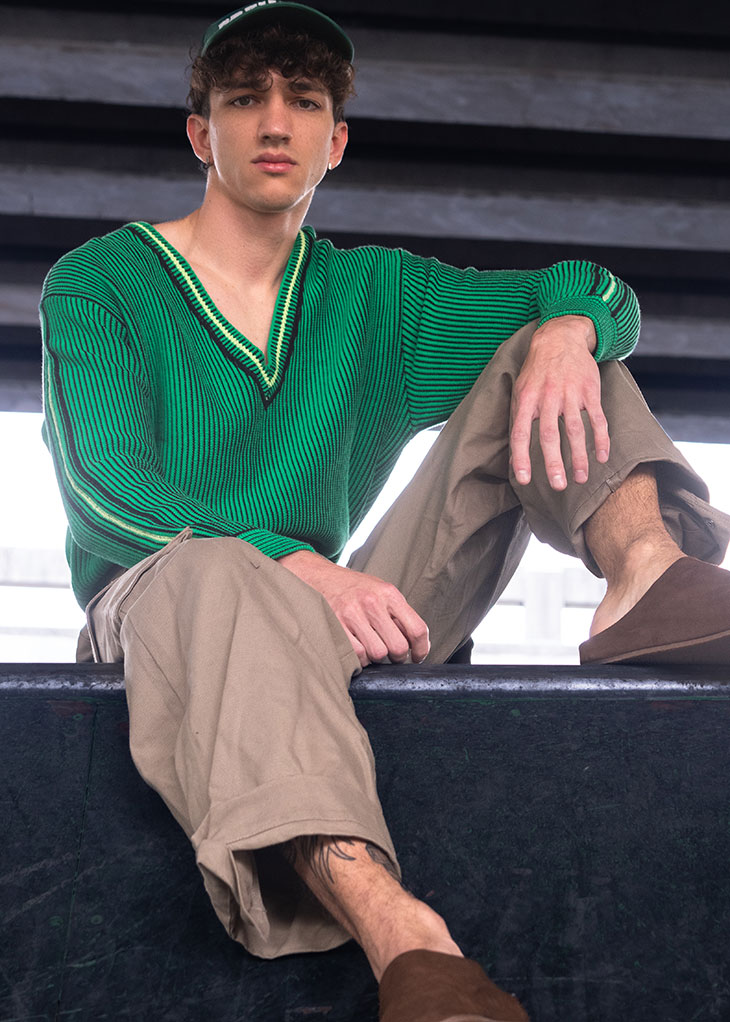
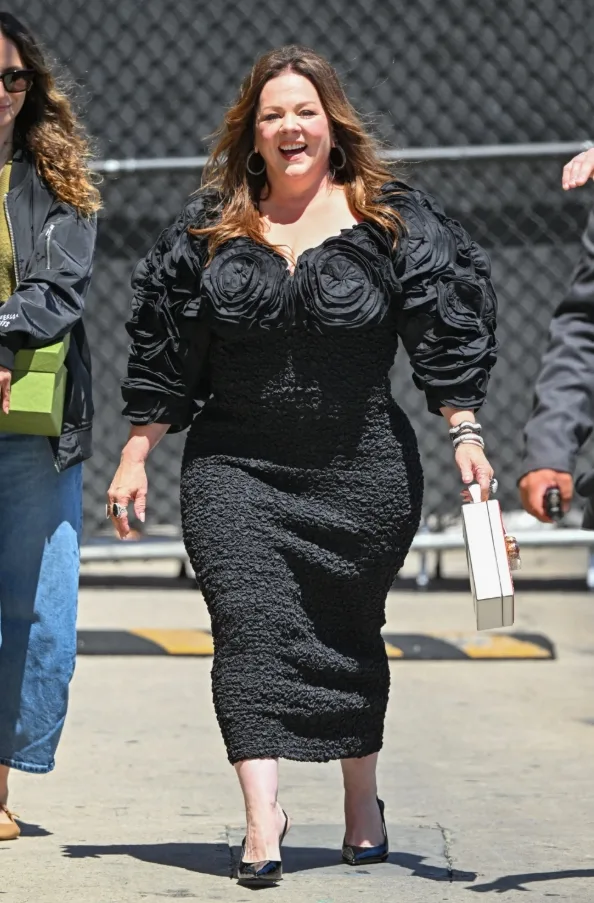
Flattering a curvy figure doesn’t require clothing to follow every contour closely. Outfits often look more polished when they acknowledge the body’s shape while leaving enough room for fabric to fall cleanly. The most useful distinction is between clothing that defines curves and clothing that pulls tightly across them.
Definition and Tightness Are Not the Same Thing
A garment can show the waist without gripping the stomach, hips, or thighs. Wrap shapes, shaped seams, belted dresses, and structured jackets all create definition through construction.
Tightness often produces pulling lines instead. Buttons may strain, pockets may gape, or fabric may bunch around the hips even when the garment technically fastens.
Check How Fabric Falls When You Move
Standing still in front of a mirror tells only part of the story. Sit, walk, reach forward, and turn sideways before deciding whether a garment fits well.
Looking at current fashion perspectives can provide silhouette ideas, but movement is what reveals whether a fitted garment is actually comfortable enough for everyday wear.
Create Shape at Strategic Points
The waist is an obvious place for definition, but it isn’t the only one. A clean shoulder line, open neckline, tapered sleeve, or visible ankle can also keep a curvy outfit from looking shapeless.
A softly tailored blazer is a good example. It can follow the upper body, skim the waist, and fall over the hips without clinging tightly through every section.
| Fit Detail | Possible Problem | Better Goal |
|---|---|---|
| Tight waist | Digging or bunching | Gentle definition |
| Pulling buttons | Strain across bust | More room or shaping |
| Clingy skirt | Fabric catches at hips | Skimming drape |
| Oversized top | Curves disappear | Controlled structure |
Choose Fabric With Enough Body
Thin stretch fabric may outline more than intended, while extremely stiff fabric can stand away from the body awkwardly. Many curvy outfits benefit from materials that drape while retaining enough structure to hold their shape.
Examples found through silhouette and styling resources can help show how fabric changes the same basic garment. A wrap dress in fluid jersey behaves differently from one made in crisp cotton.
For trousers, consider how the fabric hangs from the widest part of the hip. A smooth fall often looks cleaner than material that grips the thigh and then suddenly releases below it.
Balance Clothing With the Rest of the Look
Accessories can reinforce the proportions created by clothing. A medium-width belt may define the waist more naturally than an extremely thin belt that gets visually lost.
Hair and makeup also influence overall balance. Browsing beauty look galleries can offer ideas for pairing stronger necklines or statement clothing with makeup that feels deliberate without competing for attention.
Scale matters more than following fixed rules. Larger earrings or bags can work beautifully when they feel proportionate to the clothing and occasion.
What Curvy Styling Advice Often Gets Wrong
The biggest mistake is treating “show your shape” as permission for excessive tightness. Clothing that constantly rides up, pulls, or requires adjustment rarely creates the clean definition people are trying to achieve.
The opposite extreme isn’t better. Hiding the body under oversized pieces can remove useful structure. Curvy dressing is usually strongest in the middle ground: enough shape to show proportion, enough ease for the fabric to move.
Frequently Asked Questions
Are loose clothes unflattering on curvy figures?
No. Loose clothing can look excellent when the outfit still has structure through the shoulders, waist, neckline, or hem. Problems usually arise when every piece is loose and no clear proportion remains.
What type of dress works well on a curvy shape?
Wrap dresses, belted dresses, fit-and-flare designs, and softly tailored column shapes can all work. Fit, fabric, and seam placement usually matter more than the label attached to the style.
Should curvy women avoid oversized sweaters?
Not automatically. Pairing a roomy sweater with a defined waistband, straighter bottom, or visible leg line can prevent excessive volume while preserving the comfortable relaxed effect.
Aim for Shape With Breathing Room
Good curvy styling doesn’t ask clothing to squeeze the body into definition. It uses seams, fabric, proportion, and selective structure to make the existing shape easy to see. Prioritize garments that move cleanly, sit smoothly, and require little adjustment. An outfit usually looks better when comfort and definition are working together.
Related Posts
Night Out Looks – Add Impact Without Losing Comfort
Poor Work Layers – Balance Warmth With Cleaner Silhouettes