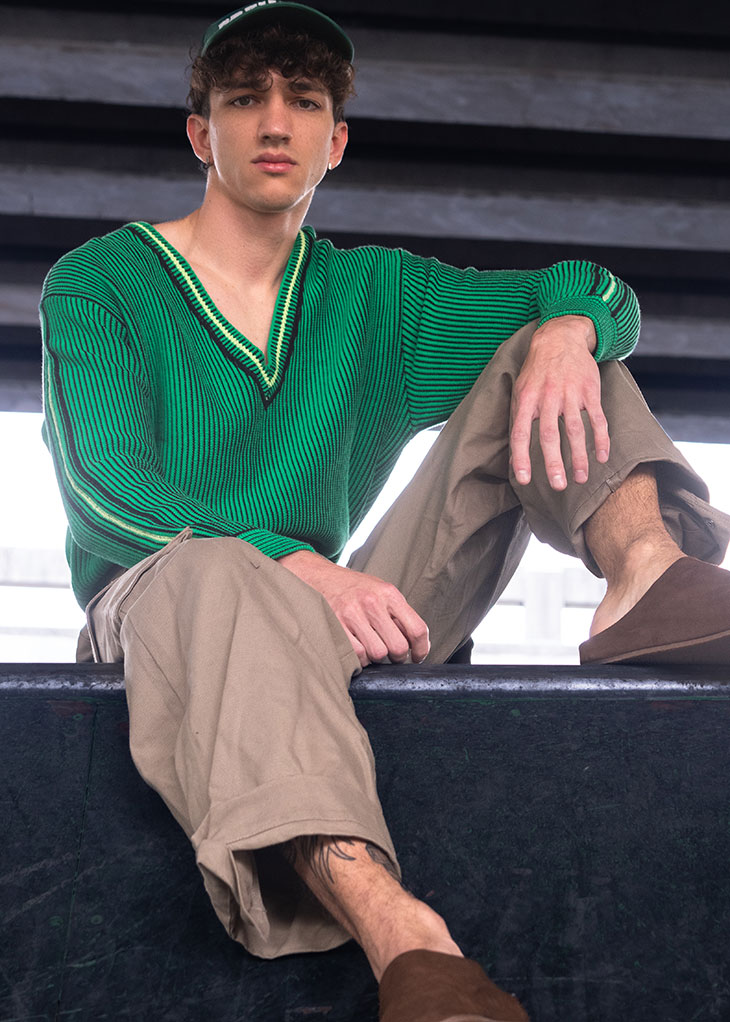

Office temperatures can make layering necessary, but too many bulky pieces can leave an outfit feeling heavy and awkward. Poor work layers usually happen when several thick garments compete for space around the shoulders, waist, or sleeves. A cleaner approach uses fewer carefully chosen layers that add warmth without hiding the shape of the entire outfit.
Start With a Better Base Layer
The first layer should sit close enough to the body that another garment can slide over it easily. Thick seams, oversized sleeves, and bulky collars often create unnecessary volume.
A lightweight knit, smooth blouse, fitted long-sleeve tee, or fine thermal base can provide warmth without taking up much space.
Keep Necklines Compatible
Layered necklines should look intentional. A shirt collar under a crew-neck sweater can work well, while multiple competing collars may make the upper body look crowded.
Exploring modern fashion combinations can provide visual ideas for pairing necklines, textures, and proportions without piling on extra garments.
Put Warmth Where You Need It
Not every layer needs to cover the entire torso. If your arms get cold, a cardigan may help more than adding another thick undershirt.
If your commute is the coldest part of the day, concentrate heavier insulation in outerwear that can be removed once you reach the office.
| Layering Issue | What Happens | Cleaner Option |
|---|---|---|
| Thick shirt + thick sweater | Bulky torso | Fine base layer |
| Full sleeves stacked | Restricted arms | Slim inner sleeves |
| Long tops under short jackets | Uneven proportions | Coordinated lengths |
| Multiple heavy fabrics | Excess warmth | Mix light and warm pieces |
Control the Sleeve Area
Sleeves are one of the first places poor layering becomes uncomfortable. A loose shirt pushed under a fitted blazer can bunch around the upper arm and restrict movement.
People comparing office clothing combinations may notice that successful layered outfits often keep the inner sleeve thin when the outer layer is structured.
Test Your Jacket Last
Always try the jacket or blazer over the complete outfit. If you can’t comfortably bend your elbows or reach forward, the combined layers are too bulky even if each garment fits separately.
Watch Length and Proportion
A long blouse, long cardigan, and long coat can create a shapeless stack. Mixing lengths usually creates more definition.
For example, a tucked base with a hip-length cardigan and structured coat produces clearer visual breaks. Browsing practical style references may spark combinations, but your proportions should determine which lengths actually work.
Where Layering Goes Off Track
More layers don’t automatically mean more warmth. Several loose cotton pieces can feel bulky while providing less insulation than one thin warm knit.
Another mistake is building an outfit that works only with every layer attached. Office temperatures change. Each removable layer should leave a presentable outfit underneath, especially if you’re moving between conference rooms, shared spaces, outdoor areas, and heated interiors.
Frequently Asked Questions
How many layers are practical for office wear?
Two or three clothing layers are often enough indoors, although climate and workplace temperature vary. The key is keeping inner layers thin enough to avoid restricting movement.
Can a blazer be worn over a sweater?
Yes. Fine-gauge sweaters usually work best because they fit beneath structured sleeves without creating excessive bulk around the shoulders and arms.
How can I stay warm without looking bulky?
Use thin insulating fabrics, limit stacked sleeves, choose compatible garment lengths, and keep the heaviest layer removable whenever possible.
Build Layers You Can Adjust
Work layering is easier when every piece has a clear purpose. Start with a smooth base, add one useful warming layer, and reserve heavier protection for outerwear when possible. Check your final outfit while sitting and moving, not only while standing. A smaller number of well-matched garments often feels warmer, cleaner, and easier to manage throughout the day.
Related Posts
Night Out Looks – Add Impact Without Losing Comfort
Curvy Outfit Problems – Highlight Shape Without Excess Clinging