
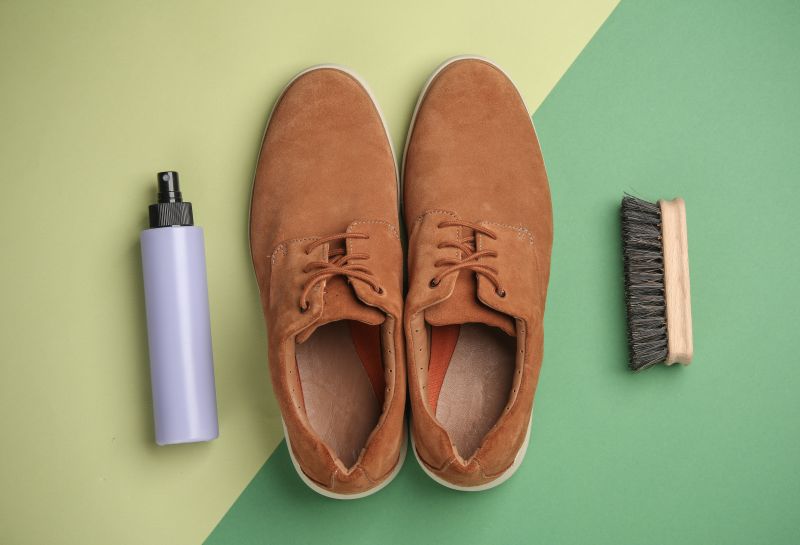
Suede can look worn surprisingly fast because its appearance depends on thousands of tiny raised fibers. Dirt, pressure, moisture, and sunlight can flatten or discolor that surface. Faded suede shoes often improve with careful cleaning and brushing, but aggressive scrubbing or heavy products can make uneven color and texture more noticeable.
Decide Whether the Suede Is Dirty or Truly Faded
A dull patch doesn’t always mean the original color has disappeared. Compressed nap can reflect light differently, making one area appear darker or lighter than the surrounding material.
Start by examining the shoes when they are completely dry. If brushing lifts the fibers and improves the shade, part of the problem may be texture rather than permanent fading.
Work With Dry Suede First
Use a brush made for suede and move gently across the surface. Several light passes are usually safer than pressing hard in one direction.
Mud should be allowed to dry before brushing. Rubbing wet dirt can push it deeper into the fibers.
Remove Surface Marks With a Light Touch
Dry cleaning methods are a sensible first step for many everyday marks. A suede eraser can sometimes lift small scuffs, but pressure should remain controlled.
Online collections of changing fashion trends may encourage frequent updates to footwear, yet a pair that looks faded may still have plenty of useful life once the nap is cleaned and raised again.
Avoid ordinary leather polish on suede unless a manufacturer specifically approves it. Products designed to create shine on smooth leather can flatten the suede texture.
Restore Texture Before Adding Color
Once the shoe is clean and dry, brush the nap so the fibers sit more evenly. This often improves how consistent the color appears without adding pigment.
Those drawn to texture-focused styling already know that texture changes how color is perceived. Suede makes that especially obvious because brushing the nap in different directions can temporarily create different shades.
| Problem | Likely Cause | First Approach |
|---|---|---|
| Dull surface | Flattened nap | Gentle brushing |
| Small dry scuff | Surface friction | Suede eraser |
| Water marking | Uneven moisture exposure | Material-specific care |
| Broad fading | Light or wear | Consider suede color restorer |
Use Color-Restoring Products Carefully
A suede renovator or recoloring product may help when genuine fading remains after cleaning. Match the product to the material and intended shade, and test it on a hidden area before treating visible sections.
People who favor heritage-inspired looks may want older suede footwear to retain some natural character. Restoring every variation isn’t always necessary; slight tonal changes can be normal with wear.
Apply color treatments evenly and follow the drying instructions. Trying to correct one pale spot with repeated heavy applications can create a darker patch instead.
Where Suede Restoration Commonly Goes Wrong
Water is often used too aggressively. Saturating only one small area may leave a new boundary mark once the shoe dries, while hard scrubbing can permanently disturb the nap.
Another mistake is expecting a cleaner to reverse actual sun fading. Cleaning removes soil; it doesn’t automatically replace lost pigment. Deep scratches, bald patches, and major color loss may require professional attention or a dedicated recoloring product rather than repeated home cleaning.
Frequently Asked Questions
Can a suede brush bring faded color back?
It can improve color appearance when flattened or dirty fibers are causing the dull look. It cannot replace pigment that has genuinely faded from sunlight, abrasion, or long-term wear.
Should suede shoes be cleaned with water?
Minimal moisture may be appropriate for certain methods, but soaking suede casually can create staining or texture changes. Follow the footwear manufacturer’s instructions or directions for a suede-specific cleaner.
Can black suede be recolored at home?
Suede color-restoring products are available for some shades, including black. Test first, protect surrounding materials, and apply evenly because mismatched or excessive pigment can leave noticeable differences.
Restore Gradually, Not Aggressively
Suede responds better to patience than force. Begin with dry brushing, address small marks carefully, and judge the true color only after the nap has been restored. Recoloring should come later, not first. By using the least aggressive method that solves the problem, you reduce the chance of turning ordinary fading into permanent surface damage.
Related Posts

Weak Online Privacy – Protect Data With Better Settings

Consumer Contract Problems – Read Fine Print Before Signing