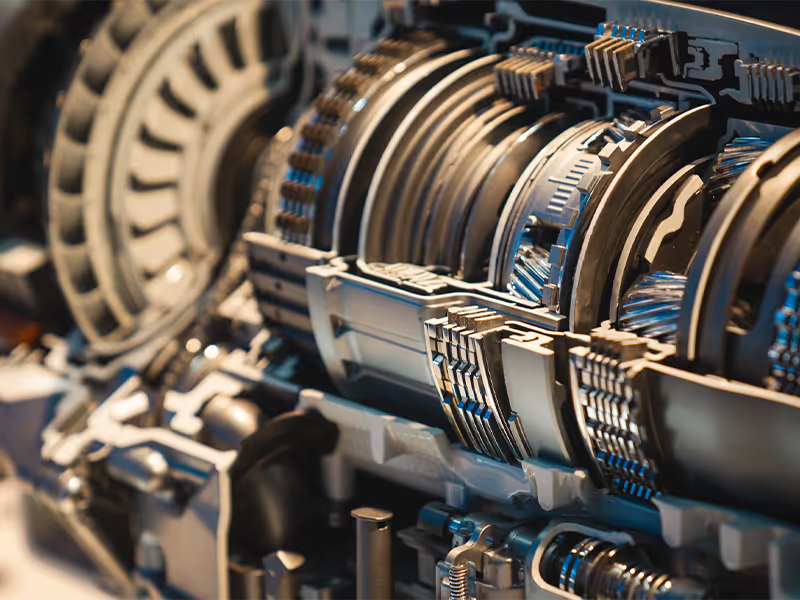
A vehicle that feels unusually weak as the transmission changes gears may have a problem transferring engine power to the wheels. Weak acceleration shifts can result from slipping clutches, pressure problems, faulty controls, fluid issues, or even engine faults that imitate transmission trouble. The key is determining whether engine speed and vehicle speed remain properly connected.
Recognize What Transmission Slip Feels Like
One common sign is engine RPM rising during acceleration without a matching increase in road speed. The vehicle may hesitate between gears, feel momentarily disconnected, or require more throttle than usual.
Some drivers also notice a flare during an upshift, where the engine briefly revs before the next gear engages. That pattern can indicate delayed clutch application or inadequate hydraulic pressure.
Compare Power Before and After the Shift
If the engine feels strong until the exact moment a gear change begins, the transmission deserves close attention. Weakness throughout the entire acceleration range may instead involve ignition, fuel delivery, airflow, or exhaust restrictions.
Check Fluid Before Assuming Major Failure
Correct transmission fluid level is necessary for hydraulic control and lubrication. Low fluid caused by a leak can introduce pressure problems and delayed engagement.
Consistent drivetrain maintenance practices can make it easier to identify developing leaks, service intervals, and changes in shifting behavior before noticeable power loss occurs.
Burnt-smelling or heavily contaminated fluid may indicate excessive heat or internal wear. Fluid appearance alone cannot determine the full condition of a transmission, but it can provide an important diagnostic clue.
Electronic Controls Also Affect Shift Strength
Modern transmissions depend heavily on sensors, solenoids, and control modules. Incorrect speed, throttle, pressure, or temperature information can affect shift timing and pressure commands.
Understanding wider vehicle performance issues is useful because engine and transmission control systems often exchange information. A fault on one side can change how the other system behaves.
| Driving Behavior | Possible Direction | What to Observe |
|---|---|---|
| RPM rises, speed doesn’t | Transmission slip | During acceleration |
| Long pause before shift | Pressure/control issue | Between gears |
| Weak power everywhere | Engine-related issue | All operating ranges |
| Harsh then weak shift | Control or wear | Specific gear change |
Road Load Can Expose Marginal Problems
Transmission weakness may become more noticeable while climbing hills, carrying extra weight, or accelerating onto a highway because the drivetrain is under greater load.
At the same time, rolling resistance matters. Poor tire condition and pressure can make acceleration feel heavier, although it generally won’t produce the classic RPM flare associated with transmission slip.
Don’t Diagnose the Transmission From Acceleration Alone
Sluggish acceleration doesn’t prove internal transmission failure. Faulty spark plugs, fuel delivery problems, turbocharger issues, restricted exhaust flow, dragging brakes, or engine-management faults can all reduce performance.
The reverse mistake also happens: drivers blame the engine while a slipping transmission allows RPM to rise normally but fails to transfer that power efficiently. Comparing RPM behavior, shift timing, diagnostic codes, and vehicle speed is far more useful than judging acceleration by feel alone.
Frequently Asked Questions
Can low transmission fluid cause poor acceleration?
Yes. Low fluid may reduce hydraulic pressure and allow delayed or weak clutch engagement. If the level is low, the reason for the loss should also be investigated because a sealed transmission shouldn’t normally require frequent topping up.
Why does my RPM rise without the car accelerating?
That pattern can indicate transmission or clutch slip because engine speed is increasing without equivalent wheel speed. It deserves inspection, particularly when accompanied by delayed shifts, burning smells, or worsening performance.
Can a bad transmission sensor affect acceleration?
Yes. Sensors provide information used for shift timing and pressure control. Incorrect signals can affect gear selection and drivability, although fault-code testing and further diagnosis are needed to identify the specific cause.
Protect Power Transfer Before Slipping Becomes Severe
Weakness during shifts should be investigated while the transmission still engages predictably. Compare engine RPM with road speed, note which gear creates the problem, inspect fluid and leaks, and scan the control system when appropriate. Separating an engine power problem from actual transmission slip is the first step toward avoiding unnecessary repairs.
Related Posts
How a Professional Truck Repair Shop Can Keep Your Truck Running Smoothly

Salt Damage Risks – Wash Undercarriage After Winter Roads