
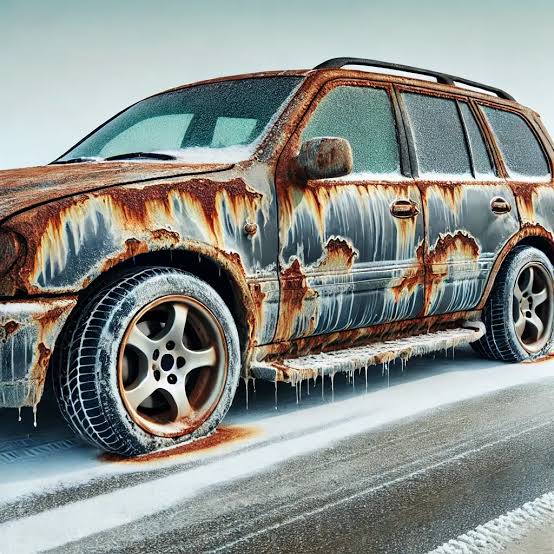
Road salt helps improve winter driving conditions, but the residue it leaves under a vehicle can accelerate corrosion when moisture remains present. Reducing salt damage risks means paying attention to areas most drivers rarely see, including suspension parts, seams, brackets, wheel wells, and the underbody.
Regular undercarriage rinsing during and after winter can remove much of that corrosive residue before it remains trapped for long periods.
Where Road Salt Collects
Salt spray reaches much farther than the visible lower door panels. Tires throw salty water into wheel wells, around suspension components, and across sections of the floor pan.
Packed snow can make the situation worse by holding moisture against metal. People exploring winter vehicle care topics may focus first on tires or batteries, but underbody cleaning deserves a place in the same seasonal routine.
Check behind splash shields and around areas where dirt accumulates. Salt mixed with mud can remain damp longer than a thin surface film.
Rinse the Undercarriage During Winter
You do not necessarily need to wait for spring. When temperatures and local conditions permit safe washing, periodic underbody rinsing can reduce buildup throughout the winter season.
Commercial car washes may offer undercarriage sprays, while some owners use appropriate home equipment. General vehicle reference listings can help people explore different maintenance subjects, but any cleaning method should avoid forcing water directly into sensitive electrical connectors or damaged components at extreme pressure.
| Area | Why Check It | Useful Action |
|---|---|---|
| Wheel wells | Heavy road spray | Thorough rinse |
| Suspension parts | Exposed metal | Remove salt buildup |
| Seams and brackets | Trapped moisture | Inspect after washing |
| Lower body edges | Chips may expose metal | Clean and inspect |
Pay Attention After the Final Snow
A thorough end-of-season wash is especially useful because it removes residue that could otherwise remain through warmer, wetter weather. Rinse the underbody, wheels, wheel wells, and lower body panels.
A clean vehicle is also easier to inspect. Broader seasonal maintenance reading may cover many spring checks, but corrosion prevention starts with seeing what winter left behind.
Look for chipped coatings, early rust staining, loose splash shields, or exposed metal. Cleaning cannot reverse established corrosion, but it can make developing problems easier to notice.
Protect Vulnerable Surfaces
Factory coatings provide an important barrier, but they can become damaged by stone impacts, abrasion, or age. Areas with missing coating deserve attention before corrosion expands beneath surrounding material.
Use repair coatings only when appropriate for the location and surface. Brake components, exhaust parts, sensors, drain openings, and moving components should not be casually covered with undercoating.
If corrosion appears significant, a qualified technician or body repair specialist can assess whether the issue is cosmetic or affecting structural strength.
Assumptions That Lead to Corrosion
A vehicle can look clean from above while still carrying salt underneath. Washing only the hood, roof, and doors does little for hidden residue around suspension and underbody sections.
Another mistake is assuming rain will remove everything. Road grime can hold salt in seams and sheltered areas. One spring wash is helpful, but repeated winter exposure may justify more regular rinsing.
Frequently Asked Questions
How often should road salt be washed from a vehicle?
There is no single interval for every climate. Frequent driving on heavily salted roads, wet winter conditions, and visible buildup generally justify more frequent underbody rinsing.
Can road salt rust a car quickly?
Salt can accelerate corrosion by supporting electrochemical reactions when moisture is present. The actual rate depends on exposure, protective coatings, existing damage, climate, and vehicle condition.
Should wheel wells be washed after driving on salted roads?
Yes. Wheel wells receive heavy spray from the tires and can trap salty slush, dirt, and moisture around liners, fasteners, and exposed components.
Make Underbody Cleaning Part of Winter Care
Do not judge winter contamination only by what you see on the paint. Rinsing the undercarriage, wheel wells, and lower body throughout the season can limit residue buildup and reveal damaged protective coatings before corrosion has more time to spread.
Related Posts
How a Professional Truck Repair Shop Can Keep Your Truck Running Smoothly
Sun Damaged Trim – Protect Surfaces With Better Shade