
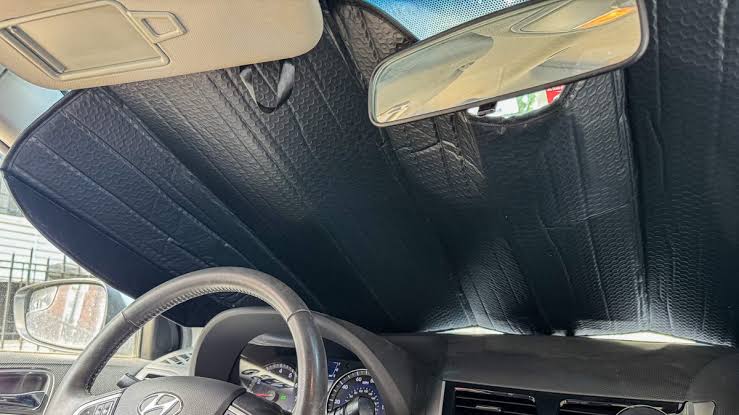
Sun damaged trim can fade, dry out, discolor, or become brittle after years of heat and ultraviolet exposure. Dashboards, door panels, exterior plastic pieces, and rubber surfaces may all age faster when vehicles spend long periods parked in direct sunlight. Protection works best before deterioration becomes severe.
Understand What Sun Exposure Does to Trim
Vehicle trim faces repeated cycles of heating and cooling. On sunny days, surfaces exposed through the windshield can become much hotter than the surrounding air, while exterior plastics receive direct ultraviolet exposure.
Over time, these conditions may change color and texture. Owners browsing general car restoration resources can benefit from treating faded trim as a preservation issue rather than expecting every weathered surface to return to factory condition.
Different Materials Age Differently
Hard interior plastic may fade, while soft-touch finishes can become tacky or cracked. Exterior textured plastics sometimes lose their darker appearance and turn gray.
Rubber seals have separate needs and should not automatically receive the same product used on a dashboard. Always match the cleaner or protectant to the material.
Reduce Direct Sunlight Whenever Practical
Shade is one of the simplest forms of protection. Parking in a garage, under a covered structure, or in naturally shaded areas reduces the amount of direct exposure trim receives.
A properly fitted windshield sunshade can help protect dashboard surfaces when covered parking is unavailable. Broader vehicle care information can complement this habit by encouraging preventive maintenance instead of waiting until cosmetic damage becomes difficult to reverse.
| Area | Common Sun Effect | Helpful Protection |
|---|---|---|
| Dashboard | Fading or drying | Windshield shade |
| Door trim | Color change | Interior protectant |
| Exterior plastic | Gray appearance | Material-safe treatment |
| Rubber seals | Dryness | Appropriate conditioner |
Clean Surfaces Before Applying Protectants
Applying protectant over dust, grease, or old dressing can produce streaks and uneven coverage. Clean the trim with a product intended for the specific surface and allow it to dry first.
Be particularly careful around switches, screens, and electrical controls. General automotive electrical references are a reminder that liquids should be applied to cleaning materials rather than sprayed freely into seams around electronic equipment.
Use a Finish Appropriate for the Location
A shiny dashboard treatment can create unwanted windshield reflections. Many drivers prefer a low-gloss finish for upper dashboard areas while using different products on exterior plastic.
Follow product directions rather than applying heavy layers. More product does not automatically mean more protection.
What Trim Restorers Cannot Fix
Restoration products can improve the appearance of mildly faded plastic, but they cannot rebuild material that has cracked, warped, or structurally degraded. Temporary darkening may also be mistaken for permanent restoration.
Painting or replacing badly damaged trim may produce a better long-term result than repeatedly covering severe deterioration with dressing. Before replacing anything, confirm whether the problem is surface fading, coating failure, or actual damage to the material underneath.
Frequently Asked Questions
Can faded black car trim become dark again?
Mild fading can often be improved with cleaning and a suitable trim-restoration product. Deep oxidation, cracking, or permanent material change may require refinishing or replacement for a lasting result.
Does a windshield sunshade actually protect the dashboard?
A sunshade reduces direct sunlight reaching much of the dashboard and can lower heat exposure while parked. It does not block every source of heat, but it is a practical preventive measure.
Should trim protectant be applied every week?
Usually not. Application frequency depends on the product, exposure, and manufacturer directions. Excessive dressing can attract dust or leave greasy residue, so reapply based on condition rather than habit.
Protect Trim Before Fading Becomes Permanent
Sun damage is much easier to slow than to reverse. Prioritize shade, use a windshield cover during long outdoor parking, clean surfaces gently, and choose material-specific protectants. Once trim becomes cracked or badly distorted, replacement may be the only dependable cosmetic repair, making prevention the more practical strategy.
Related Posts

How a Professional Truck Repair Shop Can Keep Your Truck Running Smoothly
Salt Damage Risks – Wash Undercarriage After Winter Roads