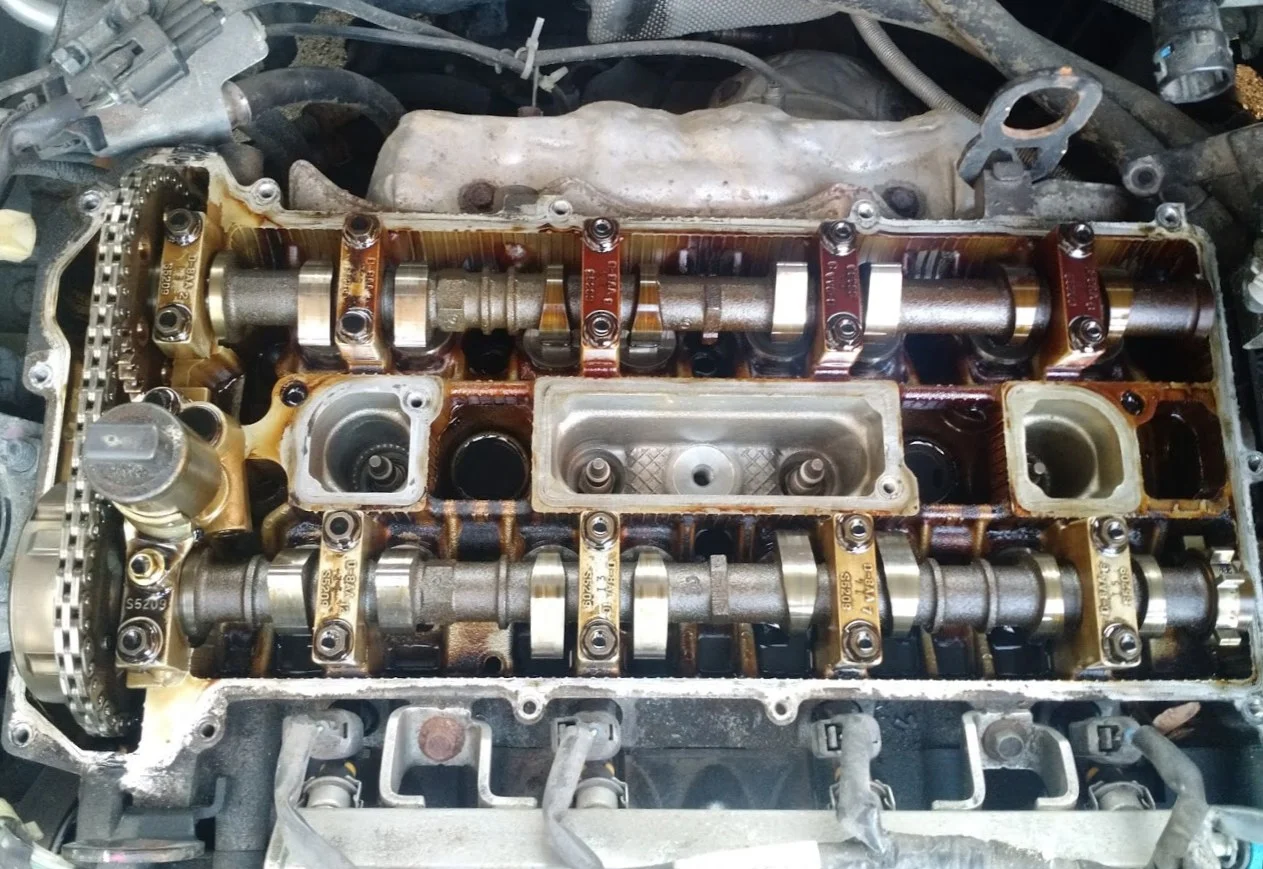
Timing chain noise often sounds like rattling, clattering, or metallic chatter from the front or upper area of an engine. A brief sound at startup and a persistent rattle while running do not always have the same cause, so the pattern should be investigated before internal timing problems become more serious.
Chains depend on correct tension, lubrication, guides, and sprockets to operate quietly.
Identify the Type of Noise First
Listen for when the sound appears. Startup-only rattling may relate to delayed tensioner operation, while continuous noise can suggest more persistent slack, worn guides, lubrication trouble, or another component entirely.
People comparing engine noise information should remember that accessory drives, heat shields, and valve-train components can imitate timing-chain sounds.
Separate Accessory Noise From Internal Noise
Alternators, belt tensioners, water pumps, and pulleys can generate rattles that seem to come from inside the engine. A technician may isolate these components before opening the timing system.
Correct identification avoids a large amount of unnecessary labor.
Check Engine Oil Condition and Level
Many timing-chain tensioners depend on engine oil pressure. Low oil level, incorrect viscosity, sludge, or restricted oil passages may interfere with tensioner operation and make chain noise more noticeable.
Routine engine maintenance guidance often emphasizes lubrication because clean oil affects far more than bearing surfaces. Before checking oil near a hot engine, park safely, shut the engine down, and follow the manufacturer’s recommended checking procedure.
| Noise Pattern | Possible Area | What to Inspect |
|---|---|---|
| Brief startup rattle | Tensioner operation | Oil supply and tensioner |
| Constant metallic chatter | Chain or guides | Timing components |
| Noise with timing codes | Chain alignment | Timing correlation |
| Front-engine rattle | Accessory drive | Pulleys and tensioner |
Watch for Timing-Related Performance Changes
A worn or stretched timing chain may eventually affect camshaft and crankshaft synchronization. Depending on engine design, symptoms can include difficult starting, rough running, reduced power, poor response, or timing-related diagnostic codes.
Vehicle owners studying mechanical timing systems may encounter many theoretical causes, but scan data and physical inspection are more useful when deciding whether chain wear is actually present.
Camshaft-crankshaft correlation codes deserve proper diagnosis rather than automatic chain replacement.
Inspect Guides, Tensioners, and Sprockets
The chain is only one part of the timing assembly. Plastic guides can wear or break, hydraulic tensioners may lose their ability to control slack, and sprocket wear can affect chain movement.
If inspection requires removing engine covers, follow vehicle-specific repair information. Timing systems can involve tightly controlled engine positions, torque procedures, and interference-engine risks.
Do Not Rotate Components Carelessly
On many engines, incorrect camshaft or crankshaft positioning can allow pistons and valves to interfere. Marking positions casually is not a substitute for the correct timing procedure.
If the repair exceeds your equipment or experience, professional service is the safer option.
Why Every Rattle Is Not a Bad Timing Chain
Metallic engine noise often sends owners directly toward the timing chain, but several external components can sound remarkably similar. Replacing a chain without confirming the source is expensive and may leave the original noise untouched.
Another mistake is assuming a quiet chain must be healthy. Timing faults may sometimes show up through codes or performance changes before dramatic mechanical noise develops. Diagnosis should consider both sound and operating data.
Frequently Asked Questions
Can a timing chain rattle only at startup?
Yes. Some timing-related rattles are most noticeable during the first moments after starting, particularly when tension has not yet stabilized. The cause still needs confirmation because other components can make similar sounds.
Can low oil cause timing chain noise?
Low oil or lubrication problems can affect certain hydraulic chain tensioners and increase mechanical noise. Correct the oil-level issue promptly and investigate why the level became low.
How serious is a noisy timing chain?
Persistent timing-system noise can become serious if caused by excess slack, damaged guides, or failing tensioners. Continued operation may increase the risk of incorrect valve timing or internal damage.
Investigate the Rattle Before Driving Hard
Timing chain noise deserves attention before the engine is repeatedly pushed under heavy load. Start by confirming the sound location, checking oil condition, scanning for timing-related codes, and ruling out accessories. If timing components are suspected, inspect the complete chain, guide, tensioner, and sprocket system rather than focusing on the chain alone.
Related Posts
How a Professional Truck Repair Shop Can Keep Your Truck Running Smoothly

Salt Damage Risks – Wash Undercarriage After Winter Roads