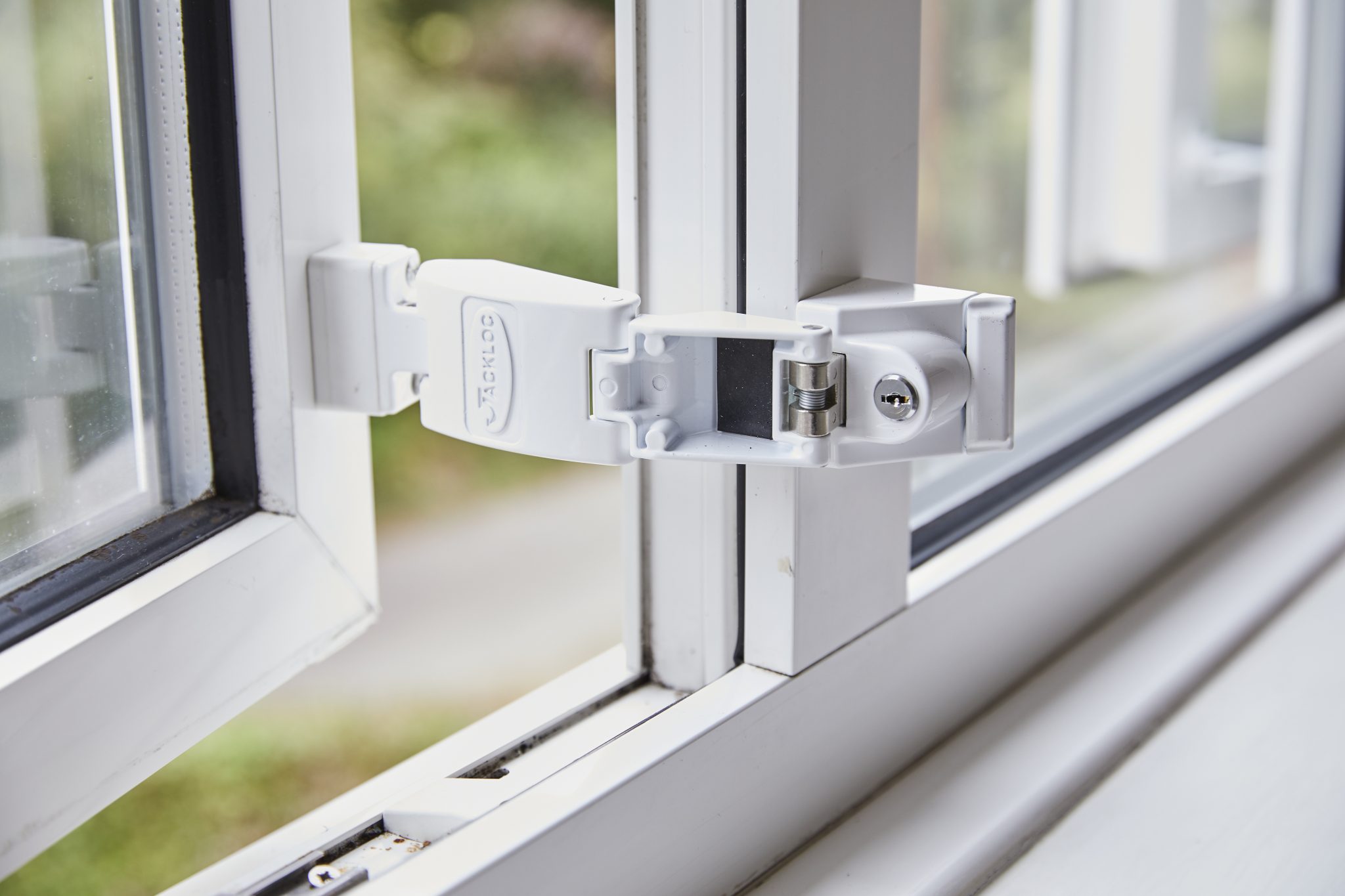
A window lock that suddenly becomes difficult to close may be reacting to dirt, loose hardware, sash movement, or seasonal changes in the frame. Forcing the latch can bend components and make the problem worse. A better approach is to identify whether the lock itself is binding or the window is no longer lining up correctly.
Determine Whether the Lock or Window Is Binding
Open and close the window without engaging the lock. The sash should move normally and settle into its closed position without excessive force.
If the window itself sticks, correct that issue before adjusting the latch. People looking through interior hardware guidance may encounter many lock-related ideas, but alignment matters because even a functioning latch cannot engage properly when the sash sits out of position.
Inspect the Lock With the Window Open
Operate the lock several times while the sash is open. If it remains stiff, look for debris, corrosion, loose screws, or visible distortion.
A lock that moves smoothly while open but binds when the window is closed usually points toward alignment instead.
Clean the Lock and Contact Surfaces
Vacuum or brush dust from the lock, keeper, and surrounding frame. Paint buildup around older window hardware can also interfere with movement.
Use only a lubricant suitable for the hardware and window material. During broader security research, homeowners may also browse exterior security reading, though the immediate goal here is to restore free movement without leaving an oily residue that attracts more dirt.
Tighten loose screws gently. Overtightening can strip holes or distort thin metal hardware.
Correct Minor Alignment Problems
Close the window slowly and watch where the latch meets its keeper. Small misalignment may sometimes be corrected by loosening the keeper, shifting it slightly, and tightening it again.
| Problem | Likely Clue | Possible Correction |
|---|---|---|
| Stiff lock open or closed | Dirty mechanism | Clean and inspect |
| Lock works when open | Sash misalignment | Adjust keeper |
| Loose latch | Moving hardware | Tighten screws |
| Repeated misalignment | Frame or sash movement | Investigate structure |
Mark the original keeper position before adjusting it. That makes it easier to return to the starting point if the change does not help.
General home projects can overlap with outdoor home references, but window security depends on proper engagement between the specific lock and its matching keeper. Avoid filing or removing material until you’ve ruled out simpler alignment causes.
Check the Sash and Frame
Weather changes can cause some window materials to expand or contract. Loose hinges, worn balances, damaged tracks, or accumulated paint may also keep the sash from closing completely.
Clean the track and inspect visible hardware. If the window is visibly racked, cracked, or separating from the frame, a lock adjustment alone may not restore dependable security.
Mistakes That Can Weaken the Lock
Forcing a stiff latch closed can create the impression that the window is secure while placing excessive strain on the hardware. Bent lock parts may then fail to engage fully.
Another common mistake is moving the keeper too far simply to make the latch easy to operate. A loose-fitting lock can reduce the tight closure it was designed to provide. Adjust only enough to restore smooth, positive engagement, and verify that the sash cannot be moved when the lock is set.
Frequently Asked Questions
Can I lubricate a sticking window lock?
Yes, if the lubricant is compatible with the lock and surrounding window material. Clean away dirt first and use a small amount so residue does not become a dust trap.
Why does my window lock stick only in certain seasons?
Temperature and humidity can change the dimensions of some window and framing materials slightly. Seasonal movement may alter the alignment between the latch and keeper.
Should I replace a window lock that keeps sticking?
Replacement may make sense if the hardware is bent, cracked, badly corroded, or worn. If alignment is the cause, replacing the lock without correcting the window position may not solve the problem.
Restore Smooth Operation and Check Security
A working window lock should engage without excessive force and hold the sash firmly closed. Start with cleaning and screw checks, then make small alignment adjustments only when needed. If the frame is damaged or the window cannot close squarely, address that condition before relying on the lock for security.
Related Posts
Dripping Kitchen Faucets – Stop Leaks and Reduce Waste
Dishwasher Drain Problems – Stop Dirty Water Backing Up