
Understanding Your Daily Protein Needs: What the Research Actually Says About Daily Protein Intake
The standard recommendation sits around 0.8 grams of protein per kilogram of body weight for sedentary adults. For someone weighing 150 pounds, that lands at roughly 55 grams per day. Active adults, athletes, and older individuals generally benefit from more, closer to 1.2 to 1.6 grams per kilogram.
How Age and Activity Level Change Your Protein Requirements
Your needs shift as life does. Older adults need more protein to preserve muscle mass, while people doing regular strength training need more to support recovery. The point is not to obsess over a number but to understand your general range and build meals that meet it naturally.
The Best Sources of Protein for Every Eating Style
Here is the part most protein conversations skip. You do not need a chicken breast or a scoop of powder to hit your numbers. Whole foods have been doing this job for centuries.
Best Sources of Protein From Whole Plant Foods
The best sources of protein from plants include lentils, black beans, edamame, tofu, hemp seeds, and quinoa. These foods are genuinely filling, fiber-rich, and easy to build meals around. A cup of cooked lentils alone delivers around 18 grams of protein.
Why Fermented Plant Proteins Like Tempeh Stand Out
This is where things get genuinely interesting. Tempeh is a fermented soybean product with roots in Indonesian food culture. The fermentation process partially breaks down the protein structure, which may support easier digestion compared to unfermented soy. If you have been wondering what tempeh is exactly, think of it as a firm, nutty, slightly earthy block of plant based protein that grills, bakes, and sautees beautifully.
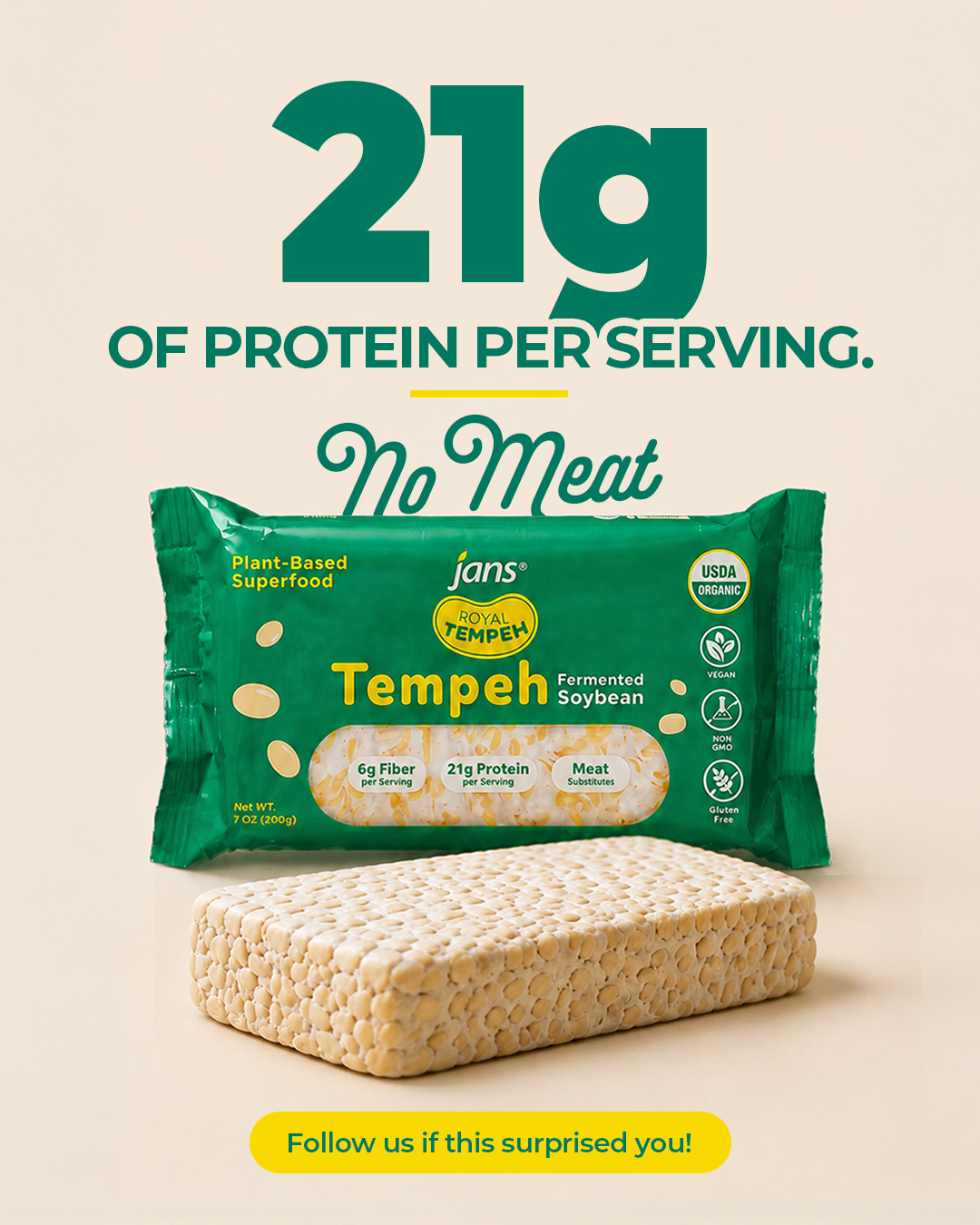
Royal Tempeh’s organic tempeh is made from USDA Organic, non-GMO fermented soybeans and delivers 21 grams of plant based protein per serving. That is a number that competes with nearly any animal protein by weight. It is also a good source of dietary fiber and is certified vegan and gluten-free.
How to Hit Your Protein Goals Meal by Meal
A Simple Meal by Meal Protein Breakdown Using Plant Foods
You do not need a spreadsheet. You just need a rough map.
| Meal | Example Food | Approx. Protein |
|---|---|---|
| Breakfast | Scrambled tofu with seeds | 15 to 18g |
| Lunch | Lentil bowl with quinoa | 20 to 22g |
| Dinner | Grilled tempeh with vegetables | 21g |
| Snacks | Edamame or tempeh chips | 8 to 12g |
Making Vegan Protein Work Across Breakfast Lunch and Dinner
Vegan protein is not a compromise. It is a framework. Rotating legumes, whole grains, nuts, seeds, and fermented foods like tempeh across your meals gives you variety in flavor and coverage in nutrition. The key is not perfection at each meal but consistency across the day.
Smarter Protein Snacking Without the Processed Junk
What to Look for in Protein Snacks
Most protein snacks are either chalky bars loaded with additives or sugary things pretending to be healthy. What you actually want is something with real food ingredients, meaningful protein per serving, and a texture you enjoy eating.
How Tempeh Chips Deliver Protein and Crunch in One
Royal Tempeh makes two standout options here. The Tempeh Chips Original offers a light, crispy crunch with a savory flavor and delivers protein and fiber from fermented soybeans. The Tempeh Chips Truffle brings a rich black truffle flavor to the same base, making it feel more like a treat than a snack strategy. Both are plant-based, gluten-free, and inspired by Indonesian specialty snack traditions.
If you are curious about where can I buy tempeh chips or the frozen block, Jan’s Food USA carries Royal Tempeh products and works with wholesale distributors and retail buyers across the country.
Frequently Asked Questions
Can you get enough protein from plant-based foods alone without supplements?
Yes. A varied diet built around legumes, whole grains, soy foods, nuts, and seeds can meet daily protein needs without any powders or pills. Consistency matters more than perfection.
Is tempeh a complete protein source and how does it compare to meat?
Tempeh made from soybeans contains all essential amino acids, making it a complete protein. Royal Tempeh’s frozen block offers 21 grams per serving, which is genuinely competitive with many animal proteins.
How does fermentation affect the digestibility of protein in tempeh?
Fermentation breaks down some of the compounds in soybeans that can interfere with digestion, which may make the protein in tempeh easier for the body to absorb compared to unfermented soy.
What is a realistic daily meal plan to hit protein goals on a vegan diet?
Start with a tofu scramble at breakfast, build a lentil and quinoa bowl for lunch, cook grilled tempeh for dinner, and snack on edamame or tempeh chips. That combination can realistically reach 60 to 70 grams of vegan protein in a day.
Where can I find Royal Tempeh products and are they available for wholesale or retail distribution?
Royal Tempeh products are available online and through select retailers. For purchasing options including food distributor and asian food distributors inquiries, visit Jan’s Food USA which supports both retail and wholesale distribution channels.
Related Posts

How To Make Refreshing Coconut Water Lemon Popsicles With Jubes
Best Breakfast in Calgary Starts With Elevated Standards
