
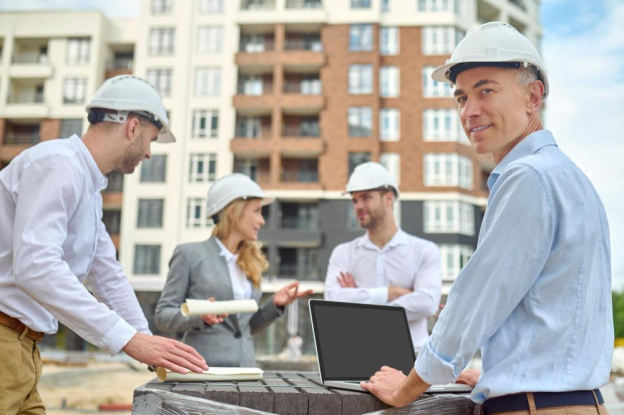
The quality of construction is essential in any development sector. In real estate, developers must maintain a considerable quality across their projects. Especially with the spike in earthquakes in the country, there is an increasing awareness among residents and leading real estate company in Bangladesh alike, reigniting the debate of construction quality in real estate in Bangladesh.
This guide dives deep into the importance of construction quality in real estate development.
What Does The Recent Surge in Earthquakes Say About the Quality of Construction in Real Estate in Bangladesh?
Bangladesh has experienced a spike in earthquakes, with 32 quakes shaking the country into panic and despair in the last 13 months. This has brought construction quality back into sharp focus. Many buildings in Dhaka were not built to withstand significant seismic activity, raising serious concerns about structural safety. This pushed both buyers and regulators to ask harder questions about building standards and developer accountability.
The reality is that not all buildings in Bangladesh are constructed with seismic tolerance in mind. Soft soil, shortcuts in materials, poor structural planning, and insufficient oversight have left many residential buildings vulnerable. For any serious real estate development today, earthquake-resistant design is no longer a bonus. It is a fundamental responsibility that no reputable developer can afford to ignore.
What Building Materials Actually Matter in Residential Construction?
The materials that matter most in residential construction are concrete grade, steel reinforcement, waterproofing, and the quality of electrical and plumbing fittings. These are the basics of a safe, durable, and comfortable home. Everything else is secondary.
Here are the materials that have the most direct impact on the safety, durability, and comfort of a residential building:
- Cement and concrete grade: Higher-grade concrete means a stronger, more durable structure. Substandard concrete is one of the leading causes of early building deterioration in Bangladesh.
- Steel reinforcement: The quality and quantity of steel used in the frame decide how well a building handles load, pressure, and earthquakes.
- Bricks and blocks: Good-quality bricks reduce heat transfer, improve insulation, and contribute to a more energy-efficient building overall.
- Waterproofing materials: Applied to roofs, bathrooms, and external walls, proper waterproofing prevents leakage and protects the structure from long-term water damage.
- Glass and window fittings: Double-glazed or treated glass improves insulation, reduces noise, and helps regulate indoor temperature.
- Electrical and plumbing fittings: Low-quality fittings are a safety hazard and a long-term maintenance burden. Premium fittings cost more upfront but save significantly over time.
A reputable developer will always be willing to share details about the materials used in their projects. If that information is hard to get, that itself is a warning sign.
How Does a Real Estate Developer Ensure Quality Construction?
A top real estate developer company in Dhaka follows a clear process from the very beginning to make sure every part of the construction meets the standard they promised.
Here is what responsible developers actually do:
- Hire qualified architects and engineers: Every serious project starts with licensed professionals who design with safety, functionality, and durability in mind.
- Use approved materials: Reputable developers source cement, steel, and fittings from verified suppliers and do not compromise on grade or quality to cut costs.
- Follow the Bangladesh National Building Code (BNBC): Compliance with BNBC is the minimum standard. The best developers go beyond it.
- Conduct stage-by-stage inspections: Quality is checked at every phase of construction, not just at the end. Foundation, structure, finishing, and fittings are all reviewed separately.
- Invite third-party audits: Independent structural engineers are brought in to verify that the building meets safety and quality benchmarks without any conflict of interest.
- Maintain transparency with buyers: Progress updates, material disclosures, and open site visits are signs of a developer who is confident in their work.
The difference between a good developer and a poor one often comes down to process. Anyone can promise quality, but a reliable developer can show you exactly how they deliver it.
What Are the Signs of Poor Construction Quality in an Apartment Building?
Cracks, water stains, uneven floors, and weak finishes are all red flags that something went wrong during construction. Knowing what to look for can save you from a very costly mistake.
Here are the most common warning signs:
- Cracks in walls or ceilings: Hairline cracks may seem minor but can indicate deeper structural issues.
- Uneven floors: A sign of poor foundation work or settling that was not properly managed during construction.
- Water seepage: Damp patches, stains, or mold around windows and walls point to poor waterproofing.
- Weak or hollow tiles: Tapping floor tiles should produce a solid sound. A hollow sound means they were not laid properly.
- Poor finishing: Gaps around door frames, uneven paint, and misaligned fittings suggest a lack of attention to detail throughout the build.
- Inadequate ventilation: Poorly designed airflow leads to humidity buildup, which speeds up damage over time.
Always visit the actual unit, not just look through the brochure. And if possible, bring someone with construction knowledge before making a final decision.
How Does Construction Quality Affect Long-Term Property Value?
Construction quality affects long-term property value directly and significantly. A well-built apartment holds its value over time, while a poorly built one loses it, sometimes faster than the buyer expects. Construction quality is one of the strongest indicators of what a property will be worth five or ten years from now.
Here is how quality construction protects and grows your investment:
- Lower maintenance costs: A well-built apartment needs fewer repairs over time, saving money year after year.
- Stronger resale value: Buyers and investors are willing to pay more for apartments in buildings with a proven construction record.
- Higher rental demand: Tenants prefer well-maintained, safe, and comfortable buildings, which means better rental yields for investors.
- Longer building lifespan: Quality materials and sound structural work mean the building stays in good condition for decades, not just years.
- Better financing options: Banks and financial institutions are more willing to approve loans for properties in reputable, well-constructed developments.
In the long run, cutting corners on construction never saves money. It just moves the cost further down the line, and by then, it is usually the buyer who pays for it.
Final Thoughts
Construction quality is important before you sign an agreement. It affects every choice you make as a buyer. The materials used and safety standards followed are key factors. These aspects determine if your investment holds its value, keeps your family safe, and lasts over time.
Bangladesh’s real estate market is growing fast, and so is the number of developers operating within it. Not all of them are built to the same standard. Taking the time to ask the right questions, verify the right documents, and choose a developer with a proven track record is the smartest thing any buyer can do before committing to a purchase.
FAQs
- Is the quality of construction important when buying an apartment in Bangladesh?
Yes, it is one of the most important factors. Construction quality determines how safe, durable, and comfortable your home will be. It also directly affects long-term maintenance costs and the resale value of your property.
- How can I verify the construction quality of an apartment before buying?
Visit the actual unit, not just the display apartment. Ask the developer for material test reports, check for BNBC compliance, and speak to engineers on site. A reputable developer will always welcome these questions.
- How do I verify if a developer has the necessary construction approvals?
Ask the developer directly for the Approved Building Plan and Land Use Clearance certificate issued by RAJUK or the relevant authority. This is a non-negotiable step before making any payment.
- Are buildings in Bangladesh earthquake-resistant?
Not all of them. Bangladesh sits in an earthquake-prone zone, and older buildings were not always designed with earthquake resistance in mind. Responsible developers follow BNBC and ACI Code guidelines to ensure their buildings can withstand seismic activity.
- What should I check in a developer’s sales agreement before signing?
Look for full disclosure on unit size, materials used, amenities, payment schedule, handover timeline, and cancellation policy. The agreement should match exactly what was promised in the project prospectus with no vague or missing clauses.
- How does poor construction quality affect property value in Bangladesh?
Poorly built apartments depreciate faster, attract higher maintenance costs, and are harder to resell. Banks are also less willing to finance properties from developers with a weak construction record, which limits your options as an owner.
- What documents should I ask a developer for before buying?
Request the land title deed, mutation documents, RAJUK approval, approved building plan, and the sale agreement. Having a property lawyer review these before signing is strongly recommended to avoid legal complications later.
- How do I know if the materials used in my apartment are good quality?
Ask the developer for material test reports covering concrete grade, steel reinforcement, and finishing materials. Reputable developers are transparent about their material standards and will provide this information without hesitation.
Related Posts
Brand Mention Problems – Track Conversations Before Issues Grow

Weak Team Accountability – Clarify Owners Before Deadlines Arrive
