
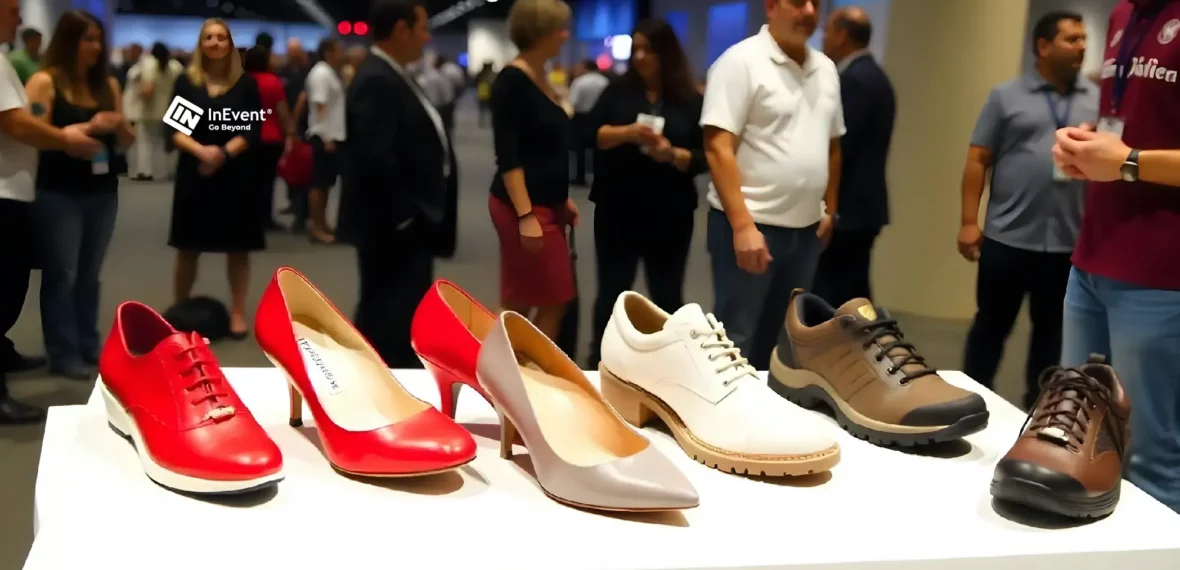
Formal shoes that feel slightly tight during a five-minute fitting can become painful after hours of standing, walking, or dancing. Tight formal shoes should be tested well before an event rather than trusted to “break in” during the occasion. Comfort depends on fit, shoe shape, material, socks, and where pressure develops.
Identify Where the Shoe Actually Feels Tight
Not every tight sensation means the shoe is the wrong size. Some shoes pinch across the forefoot, while others press on the toes, heel, or top of the foot.
Toe pressure deserves particular attention. Your toes shouldn’t need to curl or overlap to fit inside the shoe, and persistent numbness or sharp pressure is a sign that wishful thinking won’t fix the fit.
Shape Matters as Much as the Size Number
Two shoes labeled the same size can fit differently because lasts vary in width, toe shape, heel volume, and instep height. A narrow pointed shoe may feel much tighter than a rounder design in the same marked size.
Test Formal Shoes Before Event Day
Wear the shoes indoors on a clean surface for progressively longer periods. Walk, stand, use stairs, and notice whether discomfort appears only after several minutes.
While browsing event-ready style guides, it’s easy to focus on whether footwear matches a suit or dress. A better test is whether you can move naturally in the shoes after the initial visual impression wears off.
Try them with the same type of socks or hosiery planned for the event. Small thickness differences can change an already-close fit.
Use Stretching Only for Minor Pressure
Some natural leather shoes can relax slightly with wear or controlled stretching, but stretching isn’t a reliable way to transform the wrong size. Structured synthetic shoes may change even less.
Formalwear planning often includes formal outfit planning, yet shoe adjustments should happen early enough to test the result afterward rather than the night before the event.
| Fit Problem | Possible Adjustment | When to Reconsider the Shoe |
|---|---|---|
| Mild width pressure | Gradual wear or stretching | Pain remains |
| Heel slipping | Heel grip or fit check | Shoe feels unstable |
| Toe compression | Different shape or size | Toes are crowded |
| Instep pressure | Alternate lacing if possible | Numbness develops |
A professional shoe repair shop may be able to stretch certain leather areas more predictably than improvised home methods.
Build a Comfort Plan for Long Events
Even a well-fitted formal shoe can become tiring after hours on hard floors. Break-in time should happen before the event, and the shoes should already feel acceptable before you begin.
People interested in polished dress style may want a slim or traditional silhouette, but appearance shouldn’t require enduring escalating foot pain. If the event allows it, bringing a comfortable backup pair can be practical.
Check insoles carefully before adding thick cushions. Extra padding takes up space and can make an already-tight shoe worse.
Why “They’ll Stretch Eventually” Can Be Bad Advice
Some footwear softens with use, but major fit problems shouldn’t be treated as a break-in project. Shoes that compress the toes, cause numbness, rub skin quickly, or alter the way you walk are giving useful feedback.
Another mistake is wearing tight shoes for hours before discovering the return period has passed. Testing them early protects both comfort and your ability to choose a different size or shape while options remain.
Frequently Asked Questions
How long should formal shoes be tested before an event?
Several short indoor sessions are more useful than a single quick fitting. Increase wear gradually and pay attention to pressure points that appear after standing or walking for a while.
Do shoe stretchers fix tight dress shoes?
They may create modest extra room in certain materials and areas, especially leather. They cannot reliably correct major length problems, severe toe crowding, or a shoe shape that doesn’t suit your foot.
Can insoles make formal shoes more comfortable?
They can help in shoes with enough internal room. In a tight pair, thicker insoles may increase pressure, so test any insert well before the event.
Choose Comfort Before the Invitation Date Arrives
Formal shoes should support the event rather than become the main thing you remember about it. Test the full fit early, wear the planned socks, and address mild pressure while there is still time to change course. If the shoe remains painful or compressive, choosing a different size or shape is usually smarter than hoping hours of wear will fix it.
Related Posts

Weak Online Privacy – Protect Data With Better Settings
Consumer Contract Problems – Read Fine Print Before Signing