
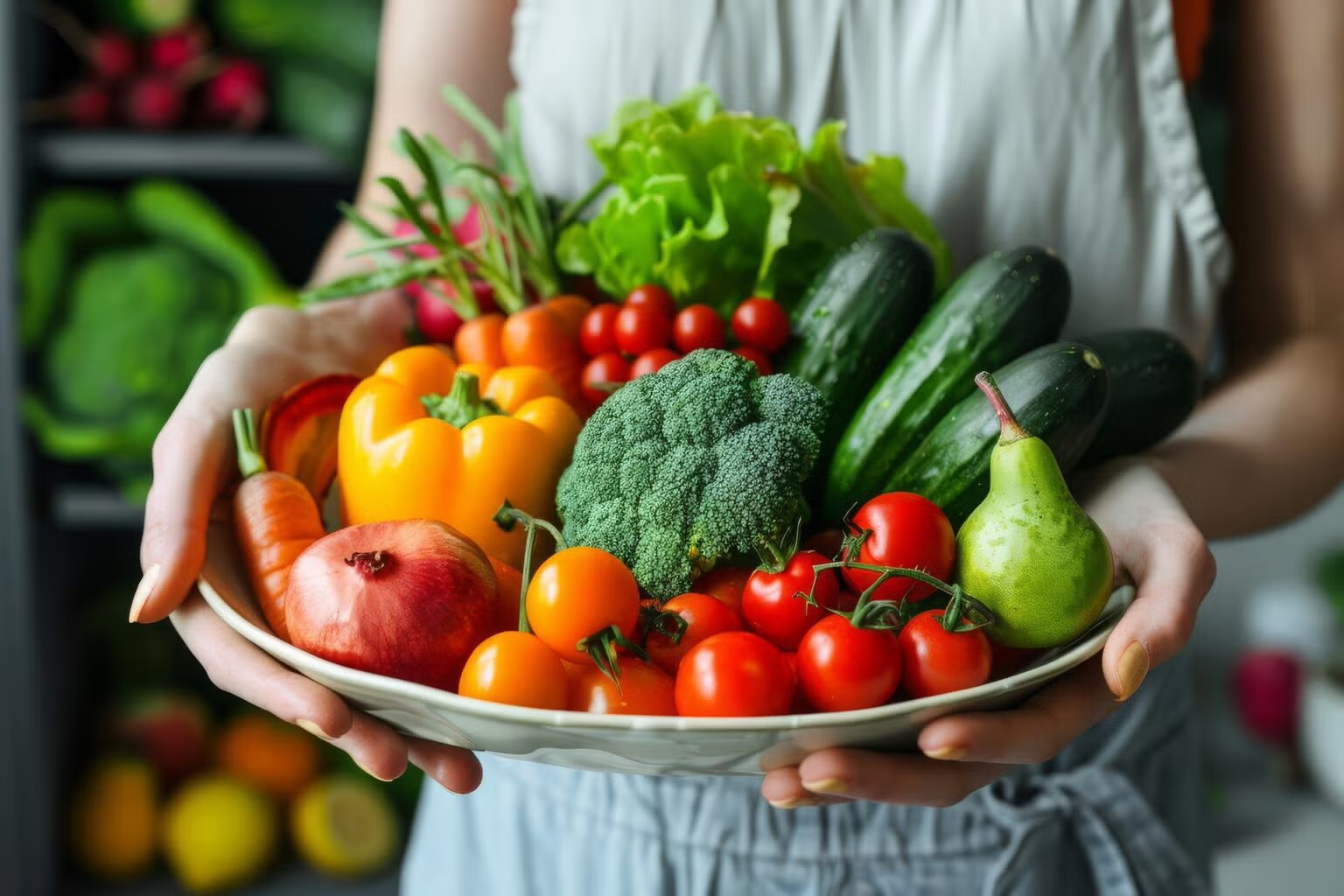
Low vegetable consumption doesn’t have to be corrected with elaborate recipes or a refrigerator packed with produce. Regular small additions can change the overall quality of a diet without making meals feel unfamiliar.
The most useful strategy is often to improve meals you already enjoy by adding vegetables in forms that are affordable, convenient, and realistic for your household.
Vegetables Support a Broader Heart-Healthy Pattern
Vegetables provide fiber and a range of vitamins, minerals, and plant compounds. Different types contribute different nutrients, so repeatedly eating one vegetable isn’t quite the same as building variety.
Current American Heart Association dietary guidance includes a wide variety of vegetables and fruits within an overall heart-healthy eating pattern, alongside whole grains, suitable protein sources, and predominantly unsaturated fats.
General health-reading habits can expose people to endless lists of foods labeled healthy or unhealthy. Day-to-day dietary patterns usually provide a more sensible framework.
Add Vegetables to Meals You Already Make
Changing familiar meals is often easier than adopting entirely new ones. Add peppers or spinach to eggs, vegetables to sandwiches, frozen vegetables to pasta, or extra vegetables to soups and casseroles.
People browsing food and wellness content may find plenty of recipe inspiration, but consistency matters more than complicated preparation. A vegetable that gets eaten regularly is more useful than an ambitious recipe that stays bookmarked.
| Meal Moment | Simple Addition | Convenient Option |
|---|---|---|
| Breakfast | Spinach with eggs | Frozen spinach |
| Lunch | Tomato and greens | Prewashed salad |
| Dinner | Mixed vegetables | Frozen blend |
| Snack | Carrots or peppers | Precut vegetables |
Convenience Can Beat Good Intentions
Fresh vegetables are useful, but relying exclusively on fresh produce can backfire if food routinely spoils. Frozen and canned vegetables can make nutritious choices easier when schedules change or grocery trips are inconsistent.
Broader wellness reading may provide ideas for building healthier routines, yet medical nutrition claims should still be checked against established professional guidance.
For canned vegetables, label comparison can help identify products with less sodium. Frozen vegetables without heavy sauces also make it easier to control what gets added during cooking.
Why “Eating More Vegetables” Can Still Go Wrong
A plate doesn’t become heart-friendly simply because one vegetable appears on it. Preparation and the rest of the meal still matter. Vegetables covered in large amounts of salty sauces or paired with an otherwise highly processed diet don’t erase everything around them.
Restriction is another trap. There’s rarely a need to force yourself to eat vegetables you dislike when many alternatives exist. Changing texture, seasoning, cooking method, or variety can be more sustainable than treating meals as a test of discipline.
When Does Dietary Advice Need More Individual Guidance?
Consider speaking with a clinician or registered dietitian if digestive symptoms, food allergies, swallowing difficulties, kidney disease, diabetes, unexplained weight changes, or another medical issue significantly limits what you can eat.
Seek medical care for persistent vomiting, inability to keep food or fluids down, severe abdominal symptoms, or other concerning changes rather than trying to correct the problem simply by adding more vegetables. Nutrition recommendations may need adjustment when health conditions affect digestion, fluid balance, or nutrient needs.
Frequently Asked Questions
Are frozen vegetables healthy?
Frozen vegetables can fit well into a nutritious eating pattern and reduce waste. Choose simple versions when possible, then control sauces, salt, and seasonings during preparation.
What if I dislike most vegetables?
Try changing preparation rather than forcing large portions. Roasting, grilling, blending into soups, adding vegetables to familiar dishes, and trying different textures may make certain varieties easier to enjoy.
Do vegetables have to be eaten raw?
No. Raw vegetables aren’t automatically healthier in every situation. Steaming, roasting, sautéing, and other cooking methods can all be useful ways to make vegetables appealing and practical.
Make One Meal Better First
Trying to redesign every meal at once often creates unnecessary friction. Choose the meal where vegetables are currently easiest to add and make that change repeatable.
Once the habit feels ordinary, expand the variety. If medical conditions restrict your food choices, use individualized professional guidance rather than forcing a generic heart-healthy eating plan.
This article is for general informational purposes and is not a substitute for professional medical advice, diagnosis, or treatment.
Related Posts

Mr Nice Guy: A Smooth and Balanced Cannabis Classic

Weak Exercise Focus — Track Progress With Clear Goals