
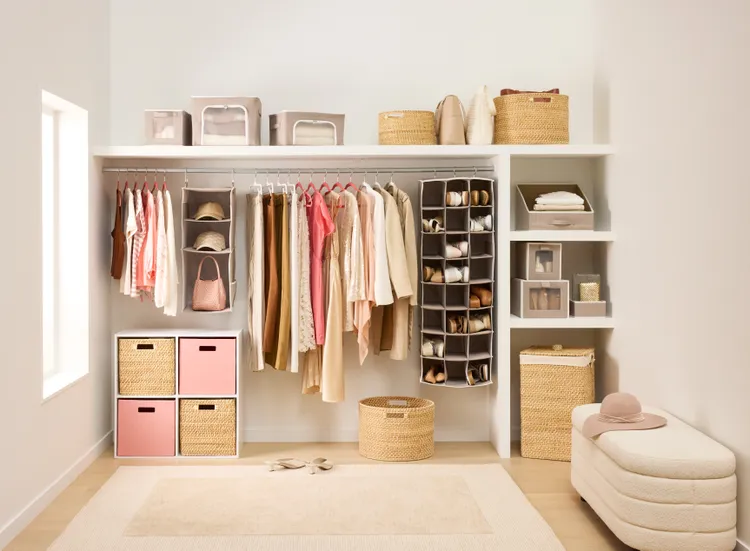
Small accessories create surprisingly large storage problems. Earrings disappear, belts become tangled, sunglasses end up in random drawers, and scarves hide beneath larger items. Chaotic accessory storage usually isn’t caused by owning too much alone. The bigger issue is storing different objects together without considering how often they’re used, their size, or how easily they become damaged.
Sort Accessories by Type and Frequency
Begin by placing similar items together. Jewelry belongs with jewelry, belts with belts, scarves with scarves, and hair accessories with related pieces.
Then divide each category into everyday and occasional items. Your most frequently worn accessories deserve the easiest positions to reach.
Fashion-focused accessory styling references can also help reveal which pieces regularly contribute to your outfits and which ones have quietly become clutter.
Match the Storage Method to the Item
Different accessories need different storage solutions. Throwing everything into one deep drawer may hide the mess, but it rarely improves access.
Shallow organizers work well for jewelry. Hooks can handle belts or necklaces. Divided trays keep watches and small accessories separated, while upright containers may suit sunglasses.
| Accessory | Useful Storage | Main Benefit |
|---|---|---|
| Earrings | Divided tray | Keeps pairs together |
| Belts | Hooks or rolled sections | Prevents tangles |
| Sunglasses | Lined compartments | Reduces scratches |
| Scarves | Rings or folded bins | Improves visibility |
Put Everyday Pieces Where Dressing Happens
Storage should follow your routine. If you choose jewelry beside a bedroom mirror, storing it across the room creates unnecessary movement and increases the chance that pieces get dropped somewhere else.
A small everyday tray can hold the accessories you wear most. Rotating items occasionally keeps it from becoming another clutter pile.
Ideas from organized fashion collections may also help you decide which accessories deserve display and which are better stored out of sight.
Make Visibility Part of the System
Accessories are easy to forget because they’re small. If you can’t see them, you may continue wearing the same two pieces while dozens remain unused.
Transparent boxes, labeled drawers, shallow trays, hanging organizers, and open sections can improve visibility without creating visual chaos.
When reviewing contemporary style inspiration, notice how small accessories change basic outfits. That can help you identify pieces worth keeping accessible instead of burying them in storage.
Common Accessory Storage Mistakes
Adding more organizers before reducing unnecessary items can make the problem worse. You end up organizing clutter instead of improving the collection.
Overexposing everything creates another problem. Open displays can collect dust and may not protect delicate jewelry, leather, or sunglasses. The best system balances visibility with protection. Keep everyday items easy to reach, while storing valuable, delicate, or rarely used pieces more securely.
Frequently Asked Questions
How should I organize accessories in a small bedroom?
Use vertical storage, hooks, drawer dividers, door-mounted organizers, and shallow containers. Keep frequently worn pieces close to your dressing area while moving special-occasion accessories into less accessible storage.
What’s the best way to stop necklaces from tangling?
Store necklaces individually or hang them from separate hooks with enough spacing between chains. Small delicate chains may need individual compartments or soft pouches to avoid knots and surface damage.
Should accessories be stored by color or type?
Type is usually more practical because it matches how people choose accessories while dressing. Within larger categories such as scarves or jewelry, you can then arrange pieces by color, size, or frequency.
Design Storage Around the Way You Dress
Accessory organization becomes easier when each item has a specific home near the point where you naturally use it. Separate categories, protect delicate pieces, and give everyday favorites the easiest access. A good system shouldn’t require constant reorganizing. It should make putting accessories away almost as effortless as taking them out.
Related Posts
Best Living Room Styles for Melbourne Apartments
4 Signs You Need to Contact a Locksmith