
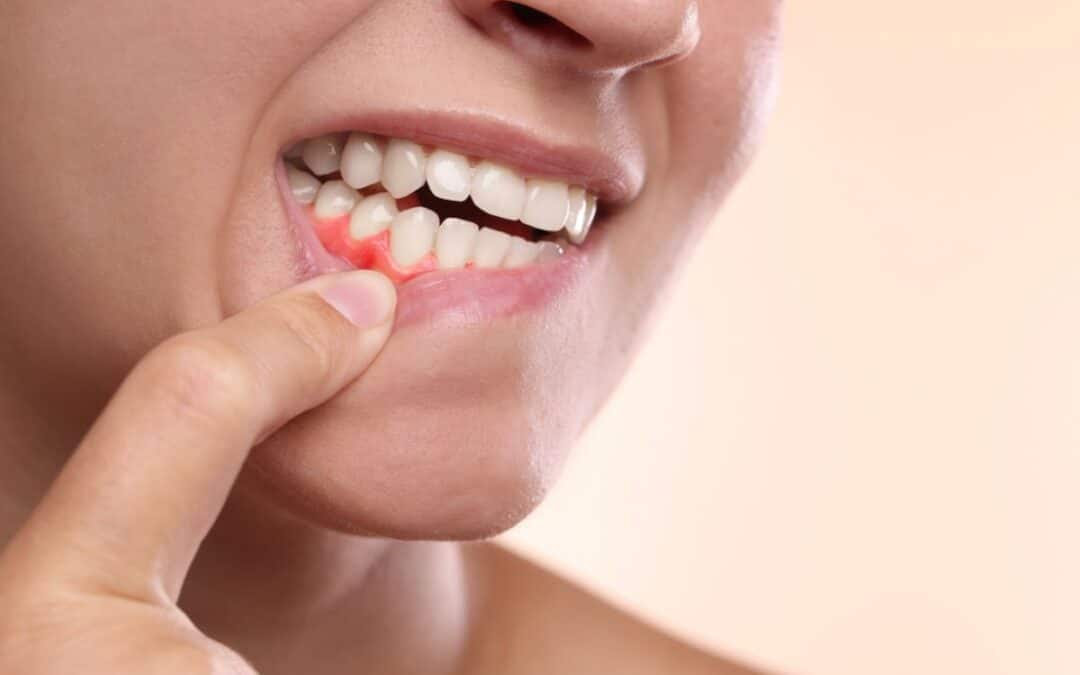
Frequent gum swelling is worth discussing with a dentist because healthy gums generally shouldn’t remain repeatedly puffy, tender, or enlarged. Plaque-related inflammation is a common contributor, but irritation, dental infection, medication effects, and other oral conditions can also cause swelling. The pattern and accompanying symptoms help determine what needs attention.
What Does Gum Swelling Usually Look Like?
Swollen gums may appear enlarged around one tooth or across several areas. They can feel tender, look redder than usual, or bleed during brushing and flossing.
People exploring general health and stress topics may notice that lifestyle factors can affect daily habits, including oral care. Even so, recurring swelling should not automatically be blamed on stress, diet, or brushing technique without a dental examination.
Localized Swelling Can Tell a Different Story
Swelling around one tooth may have a different cause from widespread gum inflammation. Trapped debris, a damaged tooth, or infection around a tooth can sometimes produce a more localized problem.
Widespread inflammation is more often considered alongside plaque accumulation, gum health, and overall oral hygiene.
How Daily Plaque Control Affects the Gums
Plaque that remains along the gumline can irritate gum tissue. Consistent brushing and cleaning between teeth can reduce plaque accumulation, but technique matters as much as frequency.
Online everyday lifestyle content can encourage better routines, yet inflamed gums sometimes need professional cleaning or evaluation that home care alone cannot provide.
| Change | What You May Notice | Reason to Check It |
|---|---|---|
| Puffy gums | Enlarged gum edges | Possible inflammation |
| Bleeding | Blood during cleaning | Gum irritation |
| Local swelling | One focused area | Possible tooth issue |
| Tenderness | Pain with pressure | Needs evaluation if persistent |
Why Repeated Swelling Shouldn’t Be Ignored
Gum inflammation can begin mildly and still deserve attention. Waiting until discomfort becomes severe can allow a manageable oral-health problem to become harder to treat.
General personal presentation resources may focus on the appearance of a smile, but gum health affects much more than appearance. Persistent inflammation may influence comfort, brushing habits, and the supporting tissues around the teeth.
The National Institute of Dental and Craniofacial Research explains that gum disease can progress from gum inflammation to deeper involvement of tissues supporting the teeth.
Common Assumptions That Cause Confusion
Bleeding gums are sometimes dismissed because they do not always hurt. Lack of pain doesn’t necessarily mean the gum tissue is healthy.
Another mistake is brushing swollen gums aggressively in an attempt to clean them better. Effective plaque removal matters, but excessive force can irritate tissue further. A dentist or dental hygienist can help distinguish inadequate cleaning from a problem requiring additional treatment.
Which Gum Changes Need Faster Attention?
Seek dental care when swelling persists, repeatedly returns, or occurs with bleeding, gum recession, bad taste, loose teeth, or pain. Localized swelling accompanied by toothache may need faster evaluation.
Prompt attention is especially important for facial swelling, fever, rapidly increasing swelling, difficulty swallowing, or trouble breathing. Those symptoms may indicate a more serious problem requiring urgent assessment.
Frequently Asked Questions
Can swollen gums go away on their own?
Mild irritation may improve when the cause is removed, but recurring or persistent swelling should be evaluated. The appropriate response depends on what is causing the inflammation.
Why do my gums bleed when I brush?
Bleeding can occur when gum tissue is inflamed, although aggressive brushing can also contribute. Frequent bleeding is a good reason to review your oral hygiene and arrange a dental check.
Can one swollen gum mean an infection?
It can, but localized swelling has several possible causes. A dentist may examine the tooth, gum tissue, and surrounding area to determine what is happening.
Act Before Swelling Becomes Routine
Gum swelling should not become something you simply expect every week. Improve daily plaque control, notice whether the problem is localized or widespread, and schedule a dental evaluation when it keeps returning. Early assessment can clarify the cause before discomfort or tissue damage becomes more difficult to manage.
This article is for general informational purposes and is not a substitute for professional medical advice, diagnosis, or treatment.
Related Posts

Mr Nice Guy: A Smooth and Balanced Cannabis Classic

Weak Exercise Focus — Track Progress With Clear Goals