
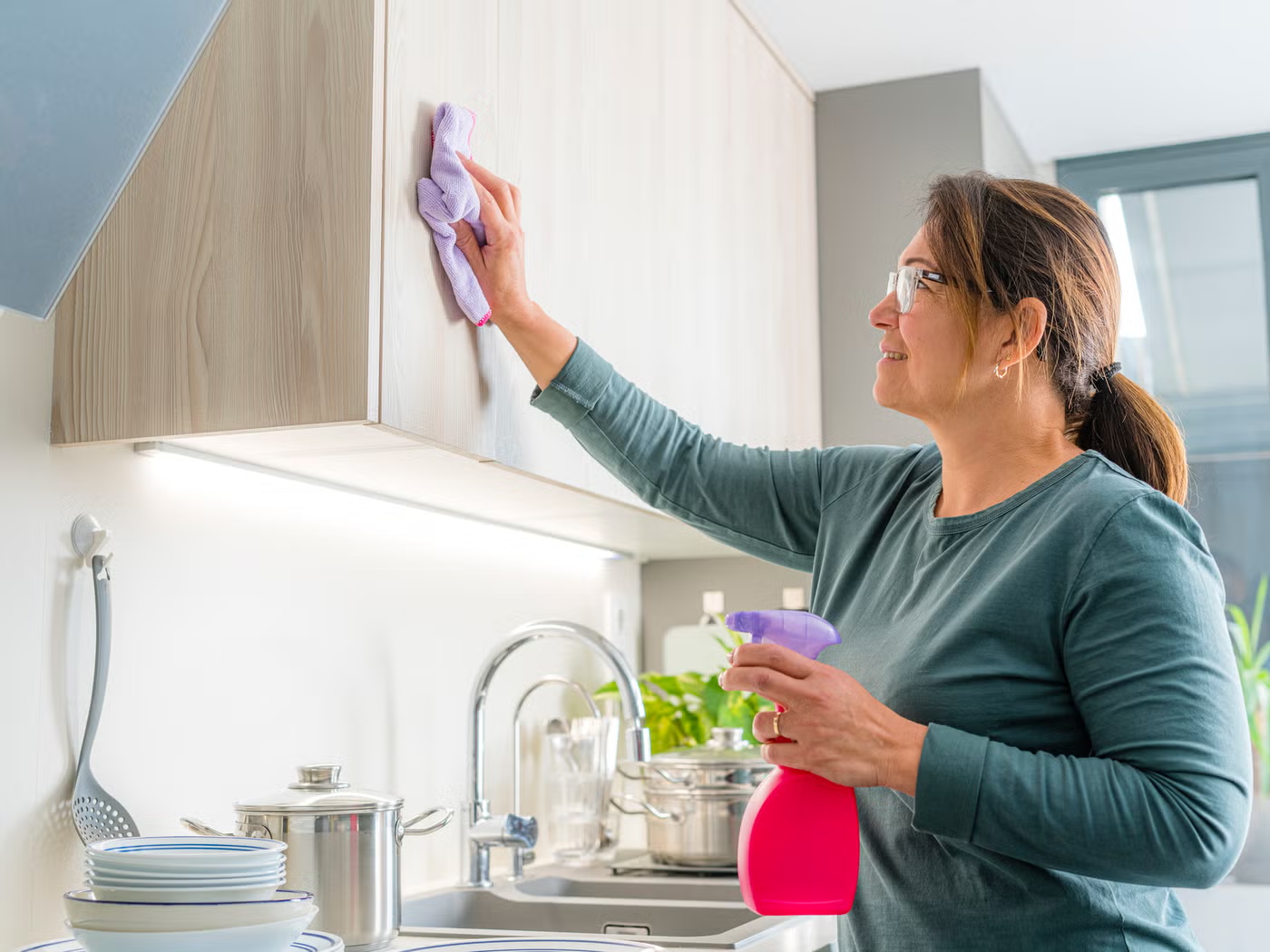
Greasy kitchen cabinets need more than aggressive scrubbing. Cooking oils mix with dust and airborne residue, creating a sticky film that can become harder to remove over time. The safer approach is to soften the buildup gradually, use a cleaner appropriate for the cabinet finish, and avoid soaking or scratching the surface.
Identify the Cabinet Finish First
Before cleaning the entire kitchen, determine whether the cabinets are painted, laminated, sealed wood, unfinished wood, or another material. A cleaner that works well on laminate may be too harsh for a delicate painted or wood finish.
Test your cleaning solution on a small hidden area first. Watch for color transfer, dullness, swelling, or finish changes before continuing.
General household reading topics may introduce plenty of cleaning ideas, but cabinet manufacturers’ care instructions should take priority when available because finishes vary considerably.
Start With the Mildest Cleaning Method
For many washable cabinet surfaces, warm water with a small amount of mild dish soap is a reasonable starting point. Apply it with a soft microfiber cloth rather than pouring or spraying large amounts directly onto doors and seams.
Wring the cloth well. Excess water can travel around joints, hinges, edges, and unfinished areas where moisture may cause swelling or finish damage.
| Buildup Level | Cleaning Approach | Main Precaution |
|---|---|---|
| Light film | Damp microfiber cloth | Avoid soaking |
| Moderate grease | Mild soapy water | Test finish first |
| Stubborn spots | Repeat gentle cleaning | Don’t scrape |
| Near hardware | Small controlled cloth | Keep seams dry |
Give Grease Time to Soften
Heavy grease usually responds better to repeated gentle cleaning than one aggressive attack. Hold a lightly dampened cloth against a stubborn area briefly, then wipe without excessive pressure.
People researching cleaning ideas through general web publications may encounter strong homemade mixtures, but stronger isn’t automatically safer. Avoid experimenting with abrasive powders or powerful chemicals unless you know they are compatible with your exact cabinet finish.
Work in Small Sections
Cleaning one door at a time prevents solution from drying on the surface. Wipe the area, remove any cleaner residue, then dry it with a clean cloth before moving on.
Pay Extra Attention Around Handles
Cabinet pulls and the areas immediately surrounding them often collect the most oil because hands repeatedly touch the same spots. Use a soft cloth wrapped around your finger to reach edges without flooding the hardware.
Broader home reference content can provide useful maintenance ideas, but don’t mix cleaning products based on unrelated tips. Combining chemicals such as bleach and ammonia can produce dangerous fumes and should never be attempted.
Cleaning Mistakes That Can Damage Cabinets
Aggressive scrubbing can turn a grease problem into a finish problem. Rough pads may scratch glossy surfaces, remove paint, or alter the sheen of wood coatings.
Too much water is another common mistake. Cabinet doors can look durable while vulnerable seams absorb moisture. Strong solvents also deserve caution because they may soften or discolor finishes. If a mild method isn’t working, identify the cabinet material and check its care guidance before escalating the cleaner.
Frequently Asked Questions
Can dish soap remove grease from kitchen cabinets?
Mild dish soap can help loosen ordinary cooking grease on many washable finishes. Use a small amount diluted in warm water, test first, and avoid leaving the surface wet.
Can vinegar be used on every cabinet finish?
No. Acidic cleaners aren’t appropriate for every material or coating. Check the manufacturer’s instructions and test any cleaner in an inconspicuous area before applying it widely.
How can I stop cabinet grease from building up again?
Wipe high-touch areas regularly, clean cooking splatter promptly, and use your range hood while cooking when appropriate. Light maintenance keeps residue from turning into a thick sticky layer.
Keep the Finish as Important as the Cleaning
Successful cabinet cleaning isn’t measured by how hard you scrub. It’s measured by removing the greasy layer while leaving the finish intact. Begin gently, use limited moisture, work in small sections, and dry as you go. If the surface reacts badly during your test spot, stop and identify the finish before trying another product.
Related Posts

Best Living Room Styles for Melbourne Apartments
4 Signs You Need to Contact a Locksmith