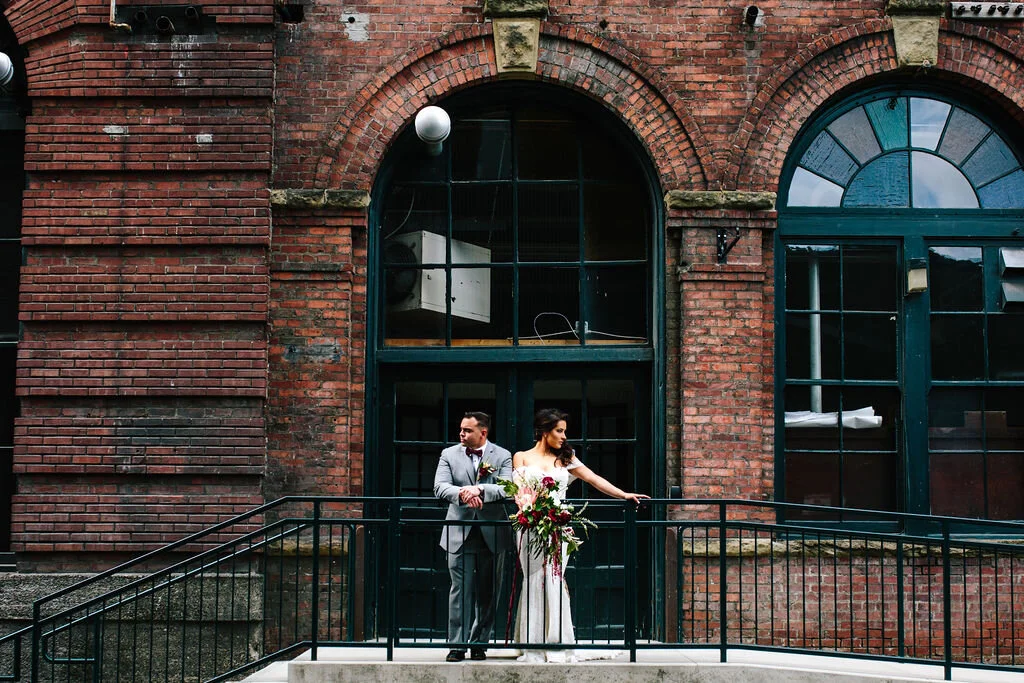

A couple I know — both lawyers, both professionally trained to read contracts with the kind of attention most people reserve for things they actually enjoy — booked what was described as a fully all-inclusive wedding package in Bali. The phrase “all inclusive” appeared in the package title, in the introductory paragraph, and in three separate bullet points throughout the description. They read it carefully. They asked clarifying questions. They felt confident. They arrived in Bali to discover that “all inclusive” meant all inclusive of the items specifically listed, which did not include the generator rental required because the venue had unreliable power, the security deposit held against potential damage that was refundable in theory and six weeks away in practice, the sound system upgrade necessary because the included system couldn’t adequately cover the ceremony space, or the overtime charge that applied when the reception ran past ten pm, which receptions in Bali almost always do. None of this was hidden. All of it was in the fine print they had read carefully and still somehow missed.
The phrase “all inclusive” in the wedding industry carries a specific kind of optimism that the reality of event planning consistently fails to honor. It suggests completion, finality, the reassuring sense that the financial surprises are behind you and the only thing ahead is the wedding itself. What it actually means, in almost every context, is that a defined set of services has been bundled at a fixed price and that anything outside that definition — which is always more than you expect — will be quoted separately when it becomes necessary. This isn’t necessarily dishonest. It’s the structural reality of planning a complex event in a foreign country where variables multiply faster than any package description can anticipate. The couples who navigate all inclusive Bali wedding packages successfully are the ones who understand this dynamic before they sign anything and ask the right questions to make the boundaries visible rather than discovering them on the day.
What a genuinely comprehensive Bali wedding package should cover, at minimum, is: venue hire for ceremony and reception including all standard equipment, a named photographer and videographer with specified hours and deliverable timelines, floral design for ceremony and reception spaces, catering with a menu that has been agreed in writing including beverage service, a dedicated on-the-day coordinator who is physically present from setup through breakdown, hair and makeup for the wedding couple, sound and lighting appropriate to the venue and guest count, and transport for the wedding party between key locations. Each of these categories contains meaningful quality variation — named photographer means a specific person whose full portfolio you have reviewed, not whoever is available that day — and the package that doesn’t specify at this level of detail is one that has left itself room to substitute.
The catering question deserves particular attention in the Bali context because it’s the component most likely to carry hidden costs and the one where cultural and logistical complexity is highest. International weddings in Bali typically involve guests with a range of dietary requirements, religious restrictions, and expectations shaped by the food culture of wherever they’ve come from. A caterer experienced with destination weddings understands this and builds menus accordingly — not by abandoning Balinese culinary tradition, which would be a genuine loss, but by navigating it intelligently, offering dishes that reflect local ingredients and techniques in ways that are accessible and delicious to guests who may never have eaten Indonesian food before. Beverage service is where unexpected costs most commonly appear: a package that includes “beverages” without specifying what that means can result in a bill for imported wine, spirits, or soft drinks that nobody anticipated and nobody budgeted for.
The photography and videography terms within an all-inclusive package warrant specific scrutiny around deliverable timelines, file ownership, and usage rights. Couples frequently discover after the wedding that their package included photographs delivered within twelve weeks, which is twelve weeks of not being able to share images with family members who traveled internationally to be there. Or that the video included was a highlights reel of three minutes rather than the full ceremony documentation they assumed was standard. Or that the files delivered are compressed for web use rather than archival quality, which matters when you want to print a large canvas for your home. These details are negotiable before the contract is signed and essentially non-negotiable afterward. Getting them in writing is not paranoia — it’s the appropriate response to having learned from other people’s expensive lessons.
Guest experience management within an all-inclusive framework is often the dimension that most clearly distinguishes packages built by people with genuine wedding expertise from those assembled primarily around price competitiveness. A destination wedding asks a great deal of guests — international travel, significant expense, time away from work and family — and the obligation that creates is real. Guests who arrive in Bali without clear information about accommodation options, transport from the airport, the schedule of events, what to wear to a ceremony that may involve cultural protocols they’ve never encountered, and what the island is like generally — these guests spend energy on logistics that should go toward celebration. A package that includes thoughtful guest communication materials, a suggested accommodation list across different budget levels, and a clear day-of schedule distributed in advance is a package that understands what it’s actually coordinating.
The best all-inclusive wedding packages don’t try to eliminate all variables — that’s neither possible nor desirable, since some of the best wedding moments are unscripted. They try to contain the variables that cause stress and leave open the ones that create joy. That’s a more honest promise than “everything included,” and it’s the one worth looking for.
Related Posts

Stress-Free Birthday Party Starts with Brampton Party Bus

Thornhill Limo Service: Suburban Splendor Meets Skyline Swagger on Wheels