
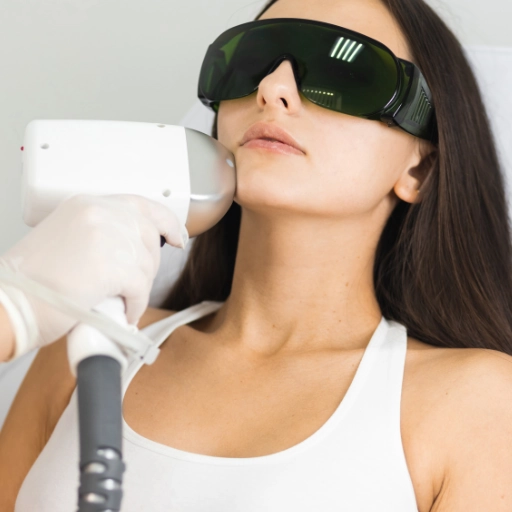
The Biology of Hair Growth: Why One Laser Session Is Never Enough
One of the most common questions clients ask when starting their smooth skin journey is why hair reduction requires a series of treatments rather than a single session. The answer lies deep within human follicular biology. Hair doesn’t grow simultaneously; instead, each hair follicle runs on its own biological clock, cycling through three distinct growth phases. Because laser technology targets only active hair roots, treating an entire body area requires a strategically spaced series of visits.
Demystifying the Anagen Phase and Follicular Melanin Targeting
Laser hair reduction relies on selective photothermolysis. During a treatment sweep, concentrated light energy targets melanin pigments concentrated within the hair shaft. This light energy instantly converts to thermal energy, traveling down the shaft to destroy the underlying follicular bulb and blood supply. However, this energy transfer is only effective when the hair is actively attached to the root—a state known as the anagen growth phase. Follicles resting in the catagen or telogen phases contain far less active pigment at the root level, making them temporarily immune to laser light until they re-enter active growth.
Hormones, Body Zones, and Individual Hair Density Factors
The total number of sessions you need varies by body area, underlying hormonal patterns, and hair follicle depth. Areas with rapid follicle cycles and dark, coarse hair, such as the underarms or bikini line, often respond quickly, showing dramatic reduction within six to eight sessions. Conversely, facial areas or regions influenced by hormonal shifts—such as the chin, jawline, or back—may require eight to twelve sessions to catch stubble during active growth windows. Understanding these physiological variables allows you to set realistic expectations for your transformation.
Wavelength Tech: Diode, Nd:YAG, and Alexandrite Lasers
Choosing the right laser technology for your specific skin tone and hair structure is critical for achieving safe, efficient results. Alexandrite lasers feature shorter wavelengths ideal for fair skin with dark hair, while Diode systems offer excellent deep-tissue penetration for medium complexions. For deeper skin tones rich in epidermal melanin, Nd:YAG lasers use a longer wavelength that bypasses surface pigment to target deep hair roots safely, without risking burns. Partnering with certified providers who offer advanced Laser Hair Removal Services guarantees your treatment uses the optimal wavelength for your Fitzpatrick skin type.
Spacing Out Sessions and Avoiding Common Mid-Treatment Pitfalls
Patience and precise timing are essential to getting the most out of your investment. Sessions are typically scheduled four to six weeks apart for facial areas and six to eight weeks apart for body zones to match natural hair cycle shifts. Between visits, shaving is permitted and encouraged, but avoid plucking, waxing, or sugaring. Waxing removes hair roots, removing the pigment target and rendering subsequent laser passes ineffective until new shafts grow back. Sticking to your scheduled timeline ensures maximum follicle clearance per visit.
Achieving Smooth, Low-Maintenance Skin Through Professional Protocols
Unlocking silky, low-maintenance skin requires respecting your body’s natural hair growth cycles through a consistent, professionally designed laser plan. While a single pass temporarily clears active growth, completing your full recommended series delivers permanent hair reduction and eliminates uncomfortable ingrown hairs for good. If you are ready to trade razor burn and frequent waxing for effortless smoothness, contact an experienced laser technician today to customize your treatment plan.
Related Posts

Brand Mention Problems – Track Conversations Before Issues Grow

Weak Team Accountability – Clarify Owners Before Deadlines Arrive
