
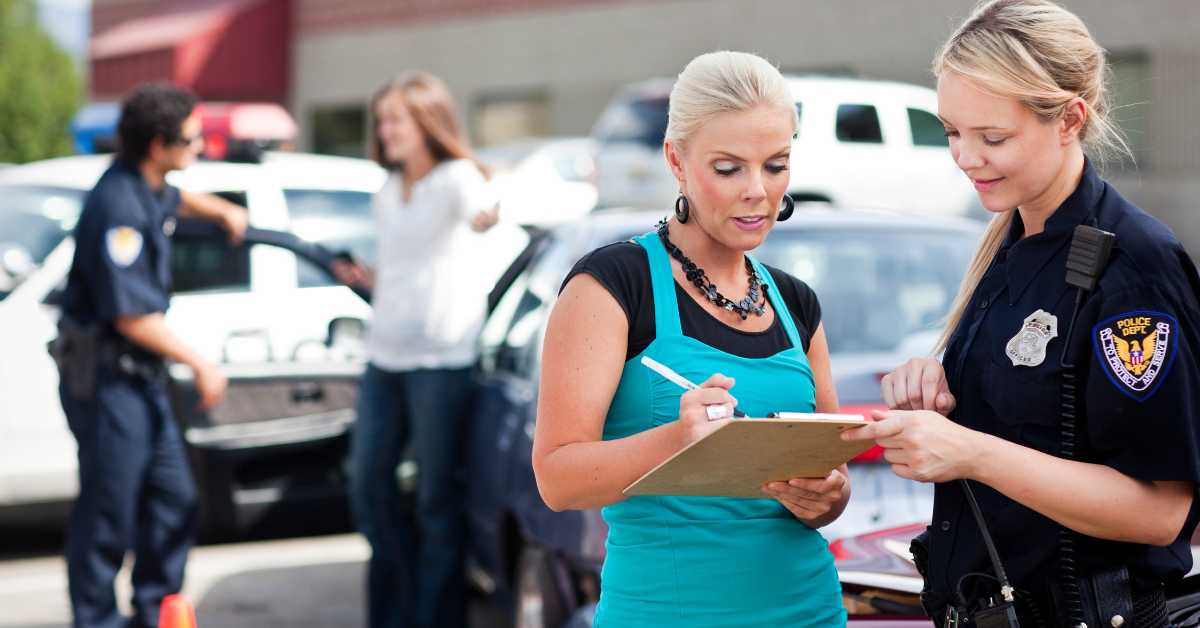
An accident report can contain a wrong address, misspelled name, incorrect vehicle detail, missing witness, or disputed description of what happened. Finding an error early gives you more time to identify the proper correction procedure and preserve information showing why the entry may be inaccurate.
Do not assume every mistake can simply be edited on request.
Review the Report Line by Line
Start with objective information: names, dates, vehicle identifiers, locations, contact details, insurance information, and visible damage descriptions. These items are often easier to verify than disputed conclusions about fault.
People reading injury and accident resources should compare the report with independent records such as photographs, registration information, medical documentation, messages, and witness contact details.
Make a separate list of each suspected error. For every item, note what the report says, what you believe is correct, and what document or evidence supports the requested change.
Distinguish Facts From Disputed Observations
A spelling error is different from an officer’s recorded observation or a conflicting account given by another driver. Agencies may have different procedures for correcting factual information, attaching supplemental material, or documenting disagreement.
The goal should be accuracy, not rewriting unfavorable material without a factual basis.
Preserve the Version You Originally Received
Keep an unedited copy of the report before submitting any correction request. Also retain emails, forms, confirmation numbers, letters, and supplemental reports created during the process.
That preservation principle appears throughout evidence law. Federal Rule of Evidence 901, for example, addresses authentication by requiring sufficient support that an item is what its proponent claims it is, although state-court evidence rules can differ.
Research into unrelated specialized fields, such as asbestos claim publications, also shows why legal material often depends heavily on the exact case type. An accident-report procedure should therefore be checked with the issuing agency rather than assumed from another jurisdiction.
| Possible Error | Useful Support | Possible Next Step |
|---|---|---|
| Wrong name | ID or registration | Request factual correction |
| Wrong location | Photos or map records | Provide supporting detail |
| Missing witness | Contact information | Ask about supplemental report |
| Disputed narrative | Photos or statement | Document disagreement |
Make the Correction Request Clear and Factual
Avoid emotional arguments in the correction request. Identify the report number, the exact entry in question, the requested correction, and the supporting document.
Someone consulting general legal question material should also confirm whether the agency accepts amendments, supplemental statements, written objections, or another method. A refusal to change the original report does not necessarily mean there is no way to document a disagreement.
Keep proof of when the request was submitted and any response received.
What People Often Get Wrong
An accident report is important, but it is not necessarily the only evidence in an injury dispute. Photographs, witness testimony, medical records, electronic data, repair documents, and other information may also become relevant.
Another mistake is changing personal copies of documents and then losing track of the original version. Use notes or a separate marked copy for your own review while preserving the original file exactly as received.
Do not create or alter evidence to make the report appear wrong.
When to Seek Legal Help Promptly
Consider legal advice when the error concerns the identity of a driver, the location of the collision, a serious injury, statements attributed to you, commercial vehicles, disputed fault, or information that may materially affect an insurance claim.
Legal review may also help when an agency refuses a requested correction and you need to understand how the disputed information can be addressed elsewhere.
Frequently Asked Questions
Can I force police to change an accident report?
Procedures vary by agency and jurisdiction. Some factual errors may be correctable, while disputed observations or conclusions may instead be addressed through a supplemental statement or other process.
Should I send original evidence with a correction request?
Unless the agency specifically requires an original, keeping your original evidence and submitting copies is often a safer recordkeeping practice. Follow the issuing agency’s instructions for the particular correction process.
Does an incorrect report automatically ruin an injury claim?
Not necessarily. An accident report can be important, but other evidence may also help establish what occurred. The effect of an error depends on its significance and the other available evidence.
Correct the Record Before Memories Fade
Review an accident report soon after receiving it, document each suspected mistake, and use the issuing agency’s formal procedure rather than making informal assumptions. Preserve every version and supporting record. When an error could materially affect liability or damages, obtaining legal advice early can help determine the next appropriate step.
This article provides general legal information and is not a substitute for advice from a qualified attorney about a specific claim.
Related Posts

Joint Ownership Questions – Understand Survivorship Before Estate Planning
Removal Hearing Concerns – Prepare Records Before Court Appearance