Bone loss usually isn’t something you can feel happening day by day. That’s what makes bone health easy to postpone until a fracture, loss of strength, or another medical concern suddenly brings it into focus.
Protecting bone strength earlier means paying attention to movement, nutrition, smoking, alcohol, medications, menopause, and other risk factors before later years narrow your margin for prevention.
Why Bone Health Can Change Quietly
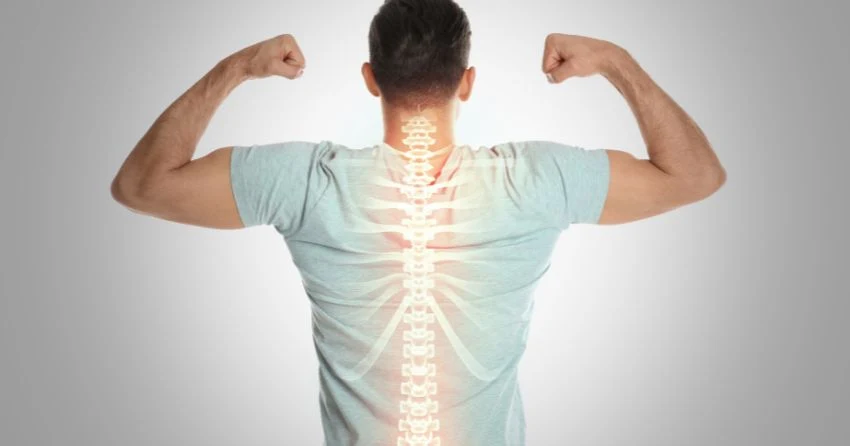
Bones continuously undergo renewal. Over time, however, bone loss can outpace new bone formation, reducing bone density and strength. Osteoporosis is often called a silent disease because it may cause no obvious symptoms before a fracture occurs.
NIAMS explains that osteoporosis develops when bone mineral density or bone mass decreases, or when bone structure changes enough to weaken bone. Risk rises with age and can also be affected by hormones, family history, body size, diet, and certain medications.
Make Weight-Bearing Movement a Habit
Walking, stair climbing, appropriate resistance exercise, and other weight-bearing activity place useful demands on bones and supporting muscles. Strength and balance work may also help reduce falls as people age.
Readers exploring everyday health content may encounter countless exercise plans. The better choice is usually one you can perform safely and consistently, especially if joint problems, previous fractures, or other medical conditions affect exercise.
Don’t Ignore Muscle Strength
Bone protection isn’t only about bone density. Stronger leg and core muscles can support balance, mobility, and everyday function.
If you’re beginning after a long inactive period, gradual progression is more sensible than suddenly choosing high-impact exercise.
Build Meals That Support Bone Maintenance
Calcium and vitamin D are important for bone health, but bone-friendly eating is broader than one supplement bottle. A balanced diet also provides protein and other nutrients needed for muscles and overall health.
Use daily wellness resources as general reading rather than a reason to stack supplements. Individual needs can differ, and excessive supplementation is not automatically more protective.
| Bone Factor | Possible Concern | Useful Response |
|---|---|---|
| Low activity | Less loading on bone | Add regular movement |
| Poor nutrition | Nutrient shortfalls | Improve diet quality |
| Smoking | Higher bone risk | Seek quitting support |
| Falls | Fracture risk | Improve balance and safety |
Know Which Risk Factors Deserve Discussion
Age, menopause, previous fractures, family history, low body weight, smoking, heavy alcohol use, prolonged inactivity, and certain medications may change a person’s osteoporosis risk.
While reading general prevention material, make a separate list of personal risk factors to discuss at a routine appointment. A clinician may decide whether bone-density testing or additional evaluation is appropriate based on age and risk.
NIAMS notes that bone mineral density testing is commonly used to evaluate bone health and fracture risk, with screening decisions influenced by age and other factors.
What People Often Misunderstand About Weak Bones
Waiting for bone pain is a poor screening strategy. Osteoporosis may remain unnoticed until a fracture, so the absence of pain doesn’t prove that bone strength is normal.
Another misconception is that bone health belongs only to older women. Risk becomes especially important after menopause, but men can also develop osteoporosis, and habits built earlier in adulthood influence the strength people carry into later years.
Signs That Deserve Prompt Evaluation
A broken bone after a relatively minor fall or injury may justify assessment for underlying bone weakness, particularly later in life. Sudden severe back pain after a small strain, noticeable loss of height, or significant changes in posture should also be discussed with a healthcare professional.
After any injury involving severe pain, deformity, inability to bear weight, or possible fracture, seek prompt medical care rather than trying to test the injury through continued activity.
Frequently Asked Questions
Can osteoporosis develop without obvious symptoms?
Yes. Bone loss can progress silently, and some people first learn they have osteoporosis after a fracture. Risk assessment and appropriate screening can therefore matter even when you feel well.
Is walking enough for healthy bones?
Walking is useful weight-bearing activity, but a broader routine may also include resistance, balance, and mobility work. The safest combination depends on fitness, medical conditions, and fracture risk.
Should everyone take calcium supplements?
No. Calcium needs depend on diet, age, health history, and other factors. Food sources may provide much of what some people need, while others should discuss supplementation with a healthcare professional.
Protect Strength Before You Lose It
Bone health is easier to support before a fracture forces the issue. Build regular movement into the week, eat well, avoid smoking, manage fall risks, and discuss personal risk factors rather than waiting for symptoms.
Small habits won’t eliminate every cause of bone loss, but they can strengthen the foundation you carry into later life.
This article is for general informational purposes and is not a substitute for professional medical advice, diagnosis, or treatment.
Related Posts

Mr Nice Guy: A Smooth and Balanced Cannabis Classic

Weak Exercise Focus — Track Progress With Clear Goals